Winner selection: a campaign that sells AI advertising by being one
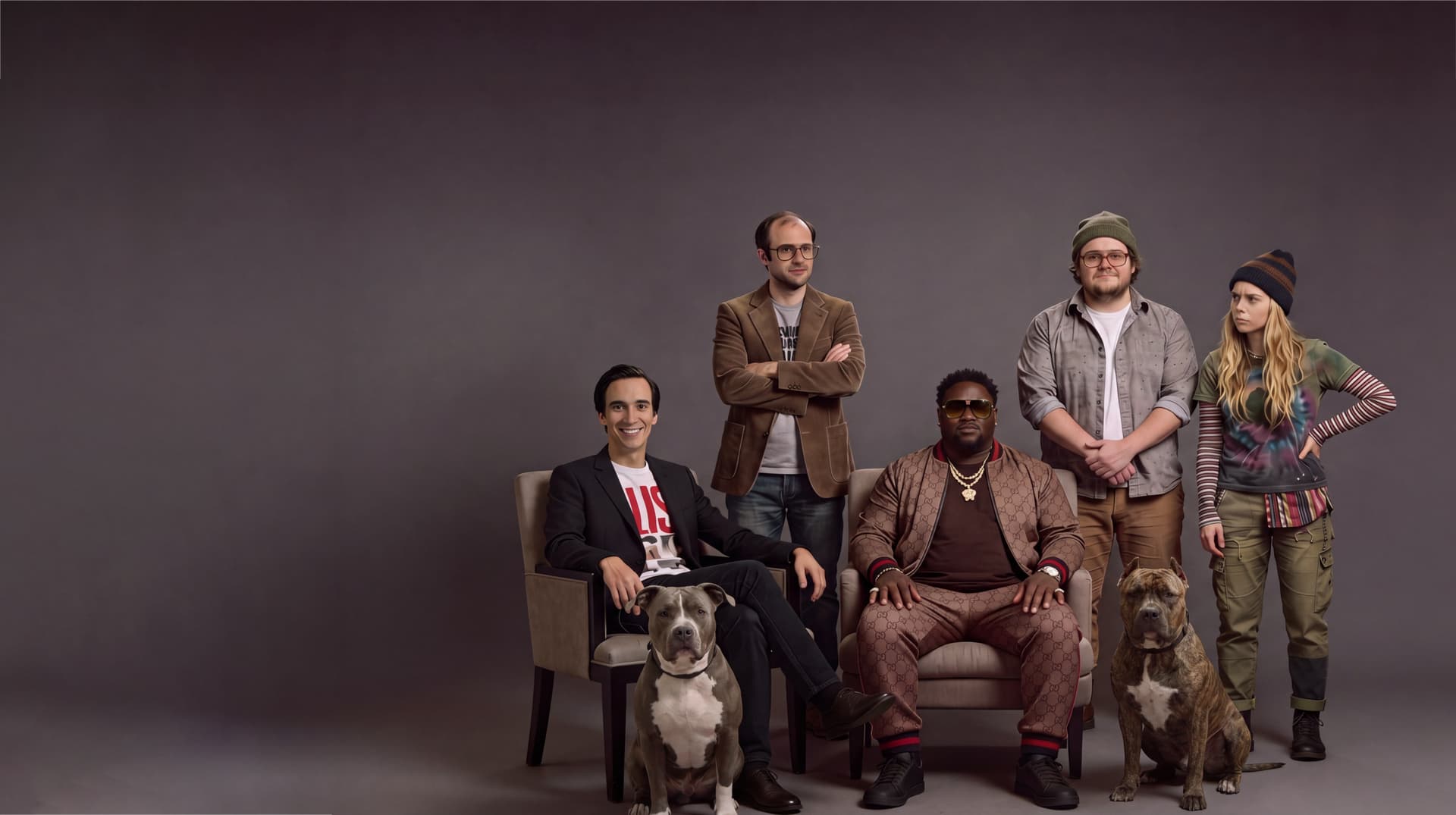
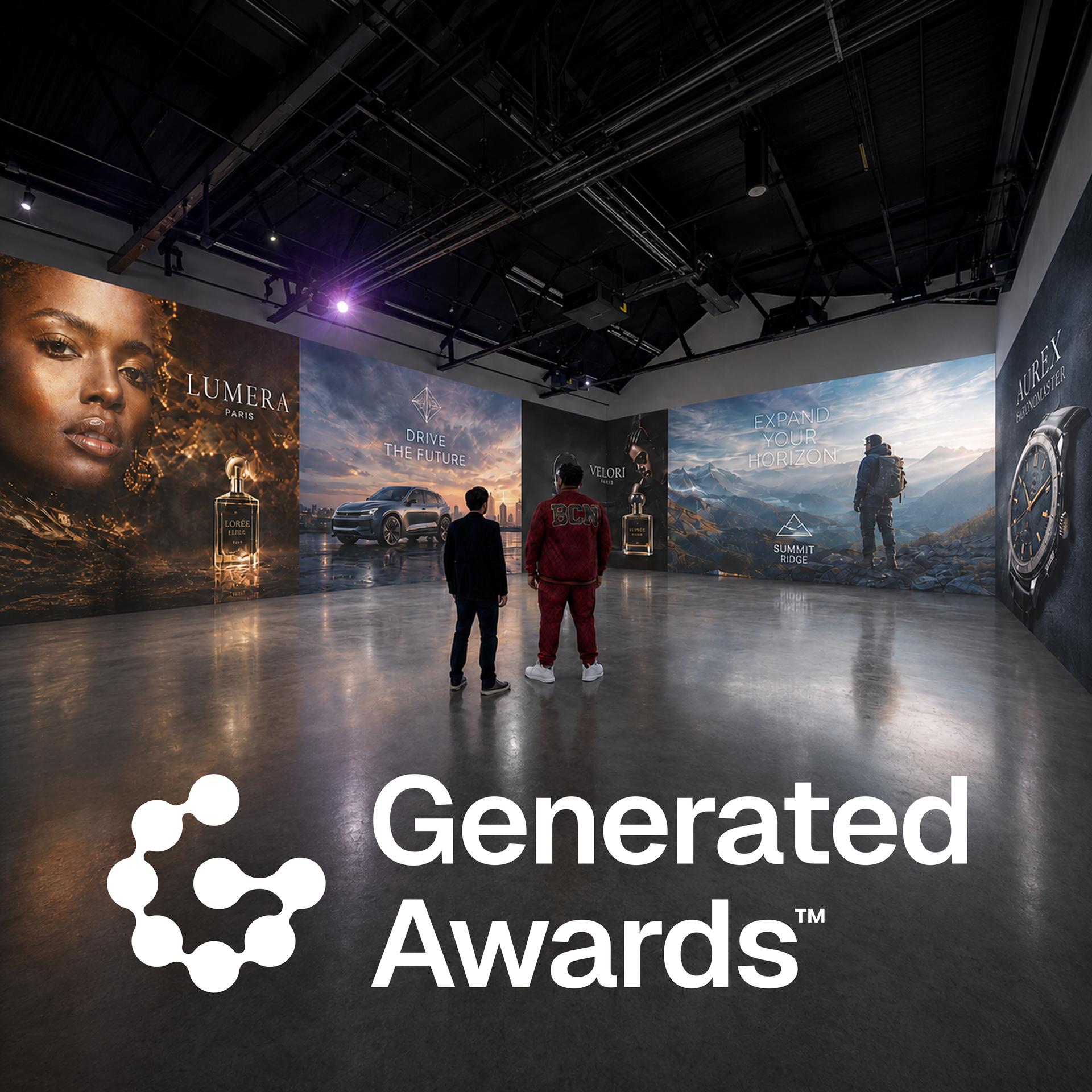
This week's winner is not a single viral gag. It is a compact AI commercial production system: a show trailer, a five-to-six episode character mini-series, an event landing page, a Luma ticketing page, X/TikTok/Instagram/LinkedIn links, and a countdown to a real room in New York. The campaign's central line is simple: "We didn't hire a film crew to launch an AI-ad awards show. We generated one."
That self-demonstrating idea made it the best fit for this series. The Generated Awards positions itself around commercial AI filmmaking, not abstract AI art, and the campaign turns the marketing into proof of the product category. Exact X counters were not visible in logged-out research, so this is a confidence-weighted call: strongest verified ad-specific signal, not a claim that it had the largest raw view count on the internet.
Watch the campaign and sources referenced
- The Showrunners mini-series page, with episode dates from May 16 through May 27
- The Generated Awards official site, May 27, 2026 event page
- Luma event page for The Generated Awards NYC
- The Generated Awards on X
- Google Demand Gen update, May 20, 2026, for AI-assisted YouTube ad creation context
- Canva State of Marketing & AI 2026 trust research
Creative strategy: make the category tangible
The strategy is strong because it avoids a familiar AI-ad mistake: talking about production speed in the abstract. The campaign creates a fictional agency team building the awards show under pressure. That gives the audience an instantly familiar container: deadline, venue, host, disasters, room, showtime. The tools stay in the background while the promise becomes visible.
For an AI advertising agency, this is the useful part. If the offer is "we can make campaign films faster," the proof should be a campaign film with a job to do. The Showrunners is effectively a spec-commercial, event trailer, and founder narrative in one package. It sells the category by making the viewer ask whether generated characters are now good enough to carry a commercial story world.
Hook structure: contradiction, proof, countdown
The hook has three beats. First, contradiction: the awards are real, but the team is not. Second, proof: the campaign shows the synthetic team doing the work. Third, countdown: episodes drop around the event, moving from May 16 to the May 27 live night. That rhythm gives viewers a reason to return without needing a heavy explainer.
Most AI video commercials over-explain the tool stack. This campaign does the opposite. It makes the viewer understand the concept before they know how it was made. That is why the format is more useful than a polished model demo: the generated output has narrative function, campaign timing, and a conversion path.
Visual language: synthetic office comedy, not generic AI spectacle
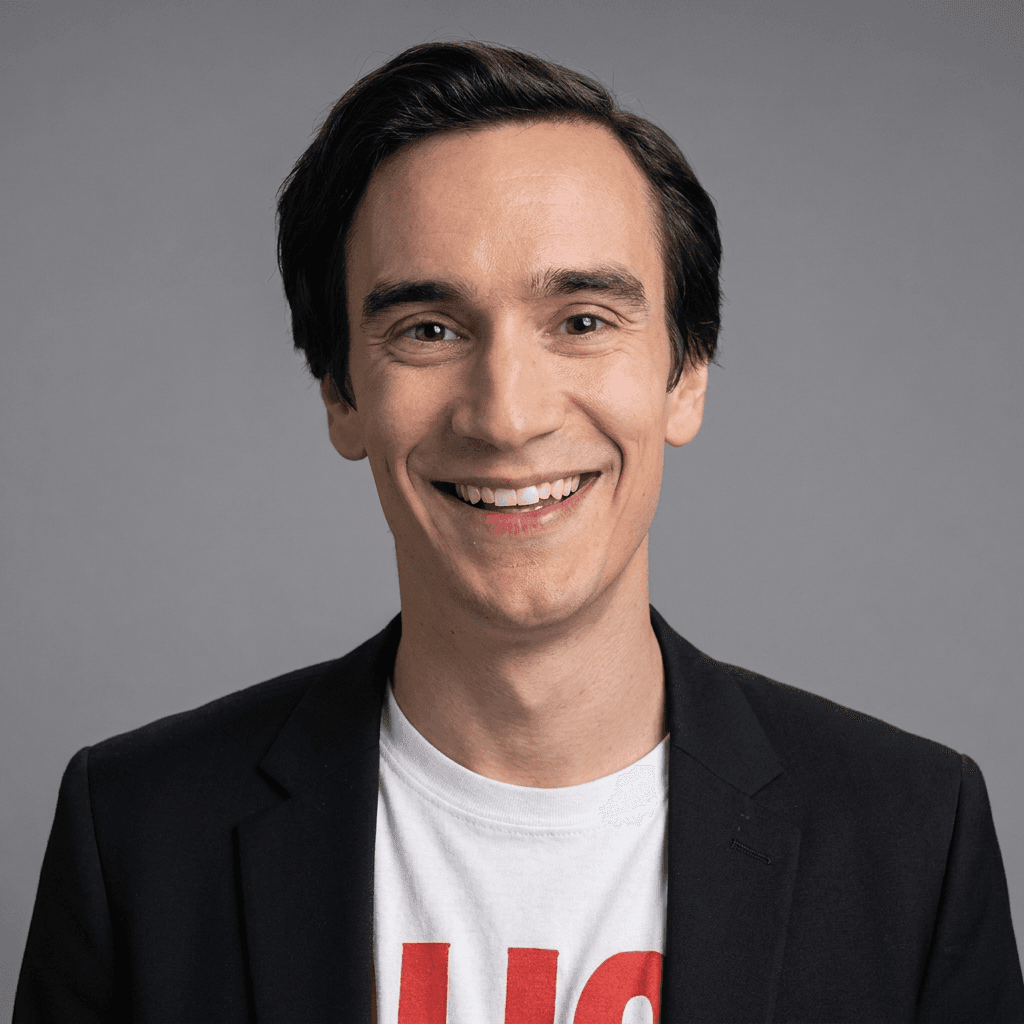
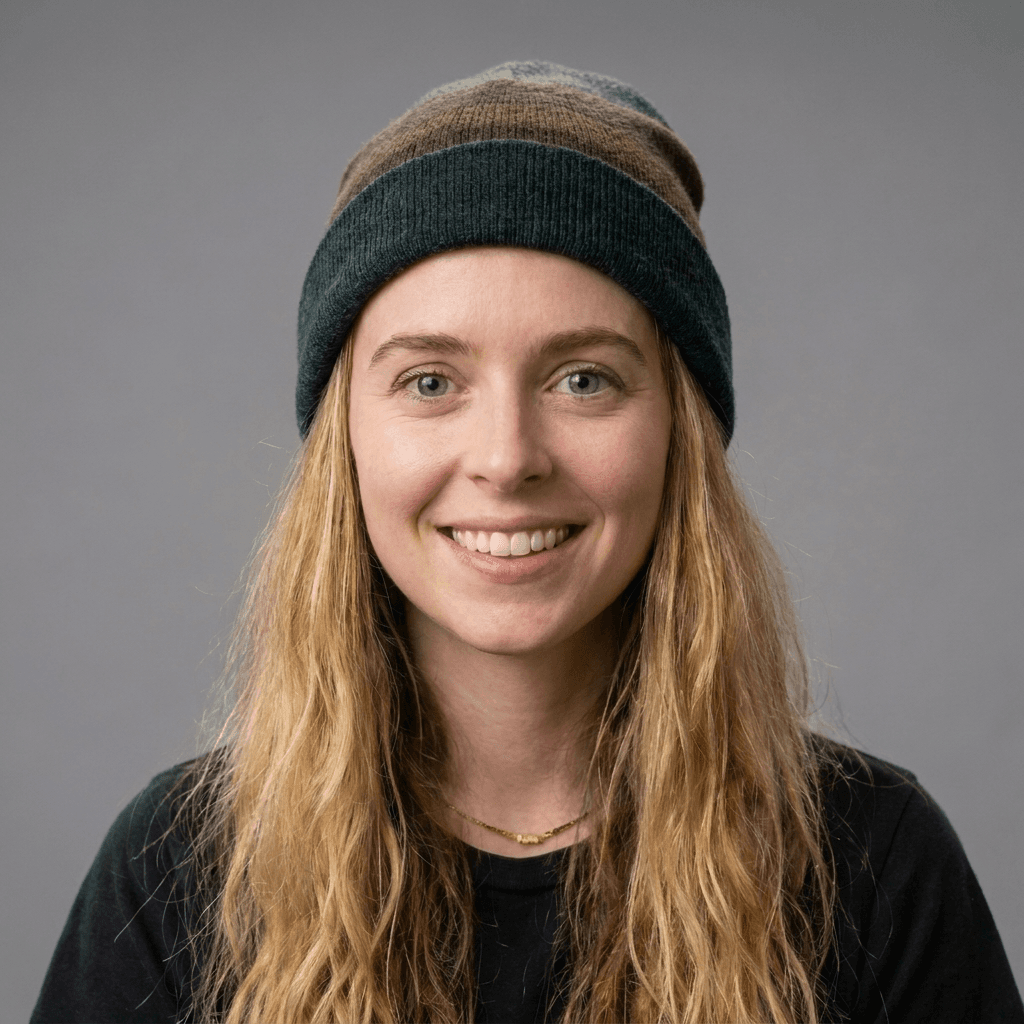
The campaign's visual language is office-drama realism: team portraits, venue scouting, producer anxiety, a slightly absurd agency cast, and warm cinematic lighting. It does not lean on floating neon, robot hands, or generic "future of creativity" shorthand. That makes the generated world feel closer to a social-first trailer than a technology keynote.
This matters for generative video production. Canva's 2026 research says 70% of consumers can usually spot AI-generated ads because something feels missing, while 70% of Gen Z and Millennials care more about the vibe than how an ad was made. The Showrunners leans into vibe: recognizable characters, job pressure, and a clear social object. The craft is not perfect, but the world has a reason to exist.

Prompt/model stack: undisclosed, but the production pattern is visible
Known: the official site frames the work as generated, presents The Showrunners as a mini-series, and lists social distribution across X, Instagram, TikTok, and LinkedIn. The event page states the awards focus on commercial video where AI played a significant role in generation, editing, VFX, sound, or direction. The exact model stack is not publicly disclosed.
Likely workflow: character design, character reference sheets, short scripts, generated image/video scenes, Cloudflare Stream hosting, landing-page integration, social cutdowns, and event retargeting. AI agents for marketing could strengthen the loop by tracking which character, episode, and CTA drives the most ticket requests or nominations, then generating alternate hooks for each platform.
Distribution context: owned hub first, social proof second
The distribution architecture is unusually clean. The owned site carries the category story. The Showrunners page carries the serialized creative. Luma carries event registration and attendance framing. The social links create outward paths for discovery, while the countdown creates urgency around a single date: May 27, 2026.
That is a practical lesson for AI ad creation. Viral clips often die because there is no campaign container. Here, the generated content points somewhere specific: nomination, attendance, and category legitimacy. The campaign does not need one giant public view counter to work; it needs enough of the right audience to believe the room is real.
Metrics snapshot (captured May 27, 2026)
| Signal | Observed value | Source date | Confidence |
|---|---|---|---|
| X-origin/social signal | Official site links to @GeneratedAwards on X; first-party post counters were unavailable in logged-out capture | Generated Awards site, captured May 27, 2026 | Medium-low for volume; High for presence |
| Campaign serialization | Episode 01 May 16, Episode 02 May 19, Episode 03 May 22, Episode 04 May 24, next drop May 26, live event May 27 | The Showrunners page, captured May 27, 2026 | High |
| Event demand framing | 150 invites, 9 awards, one-night event at Lavan Chelsea | Generated Awards official site, May 27, 2026 | High |
| Registration surface | Luma lists final seats for AI, advertising, production, creator economy, startups, and brand marketing guests | Luma event page, captured May 27, 2026 | High |
| Industry tailwind | Google announced new AI-assisted Demand Gen and Asset Studio video-creation features on May 20 | Google blog, May 20, 2026 | High |
| Consumer trust context | 97% of marketing leaders use AI daily; 70% of consumers say they can usually spot AI-generated ads because something feels missing | Canva State of Marketing & AI 2026, published May 2026 | High |
Uncertainty note: public X views, reposts, comments, and saves were not visible without authenticated access. The winner call is based on verified campaign structure, cross-platform distribution, event demand signals, category relevance, and current industry context. Treat the X metric row as directional, not a first-party analytics read.
Sentiment and feedback read
A small public-read sample across the official site, Luma framing, Google ad-tech context, Canva trust research, and recent marketer discussions points to three useful sentiment buckets. Positive: AI commercial work is now credible enough to have its own awards show and room of operators. Neutral: buyers want to know which tools, humans, and quality controls sit behind the output. Critical: consumers are increasingly alert to AI ads that feel hollow, generic, or over-automated.
The campaign's advantage is that it does not ask viewers to admire AI in isolation. It gives them a social reason to care: nominations, attendance, a room, and a shared category milestone. That is why the work drove attention inside the AI advertising world even where exact public counters were unavailable.
What commercial teams can copy
Copy the structure: make the campaign prove the offer, serialize the story around a dated event or launch, build characters with job pressure, and connect every clip to a conversion surface. Do not publish AI video as a novelty. Publish it as a campaign asset with a task.
The deeper lesson is operational. The next phase of AI commercial production will not be won by the prettiest one-off generation. It will be won by teams that combine human strategy, transparent synthetic production, useful AI agents for marketing, and fast performance learning across owned pages, social platforms, and paid media.
We build practical systems for AI ad creation, storyboarding, AI filmmaking, generative video production, synthetic-media review, and performance-ready commercial films.
Sources
- The Generated Awards: The Showrunners mini-series page, captured May 27, 2026
- The Generated Awards official event page, captured May 27, 2026
- Luma: The Generated Awards NYC event page, captured May 27, 2026
- The Generated Awards X profile
- Google: New Demand Gen features to drive performance on YouTube, May 20, 2026
- Canva: AI is in. Now comes the hard part - earning consumer trust, May 2026