
Watch first: OpenAI’s ads + commerce context before the trend breakdown
Before the trend sections, open these primary-source posts so your team can evaluate the ad and commerce shifts in context:
1) AI ad creation moved closer to transaction intent, not just awareness
What changed this week: OpenAI’s March 24, 2026 product discovery launch made shopping responses more visual and comparison-led, positioning conversational interfaces as a performance layer, not just top-funnel discovery.
Why it matters commercially: AI advertising agency teams can now brief creative for decision-stage moments inside chat, where users are actively comparing options. That changes copy structure, proof requirements and CTA timing for AI video commercials and companion assets.
Apply now: For your next AI commercial production sprint, generate one "comparison-first" variant per concept: fewer slogans, clearer product deltas, and a tight value ladder designed for in-conversation decisioning.

Source: Powering Product Discovery in ChatGPT (Mar 24, 2026) →
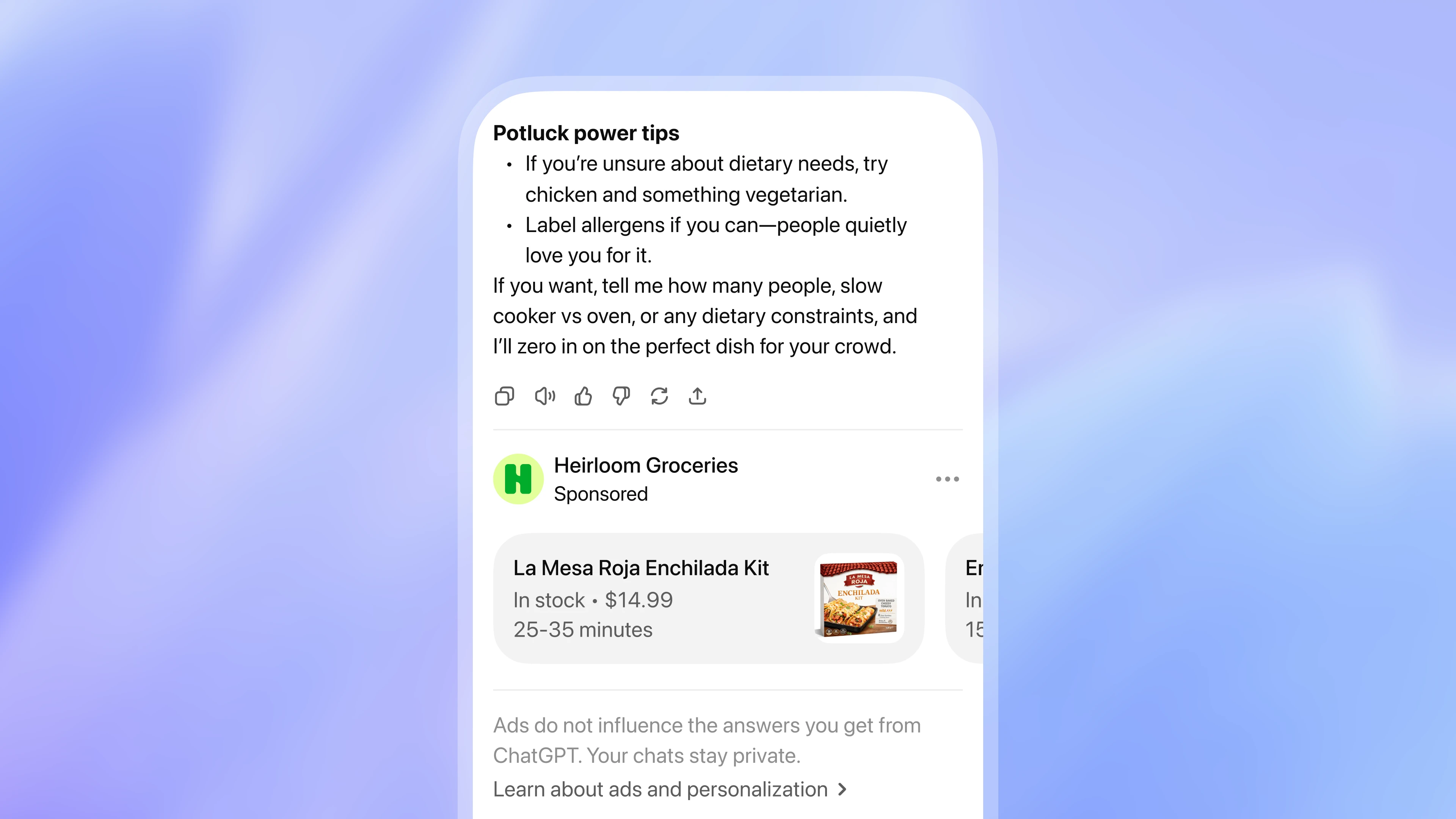
2) Sponsored units inside chat are becoming a real media format
What changed this week: OpenAI’s ad test framework (announced February 9, 2026, with staged expansion in subsequent weeks) is now concrete enough for brand planning: sponsored units are clearly labeled and intentionally separated from core answers.
Why it matters commercially: This opens a new operating lane for AI commercial production teams: response-adjacent placements that need utility-first creative, not traditional interruption logic.
Apply now: Build one chat-native ad spec in every campaign pack: short SKU-rich copy, one direct utility promise, and one trust cue in the first sentence.
Source: Testing ads in ChatGPT (Feb 9, 2026) →
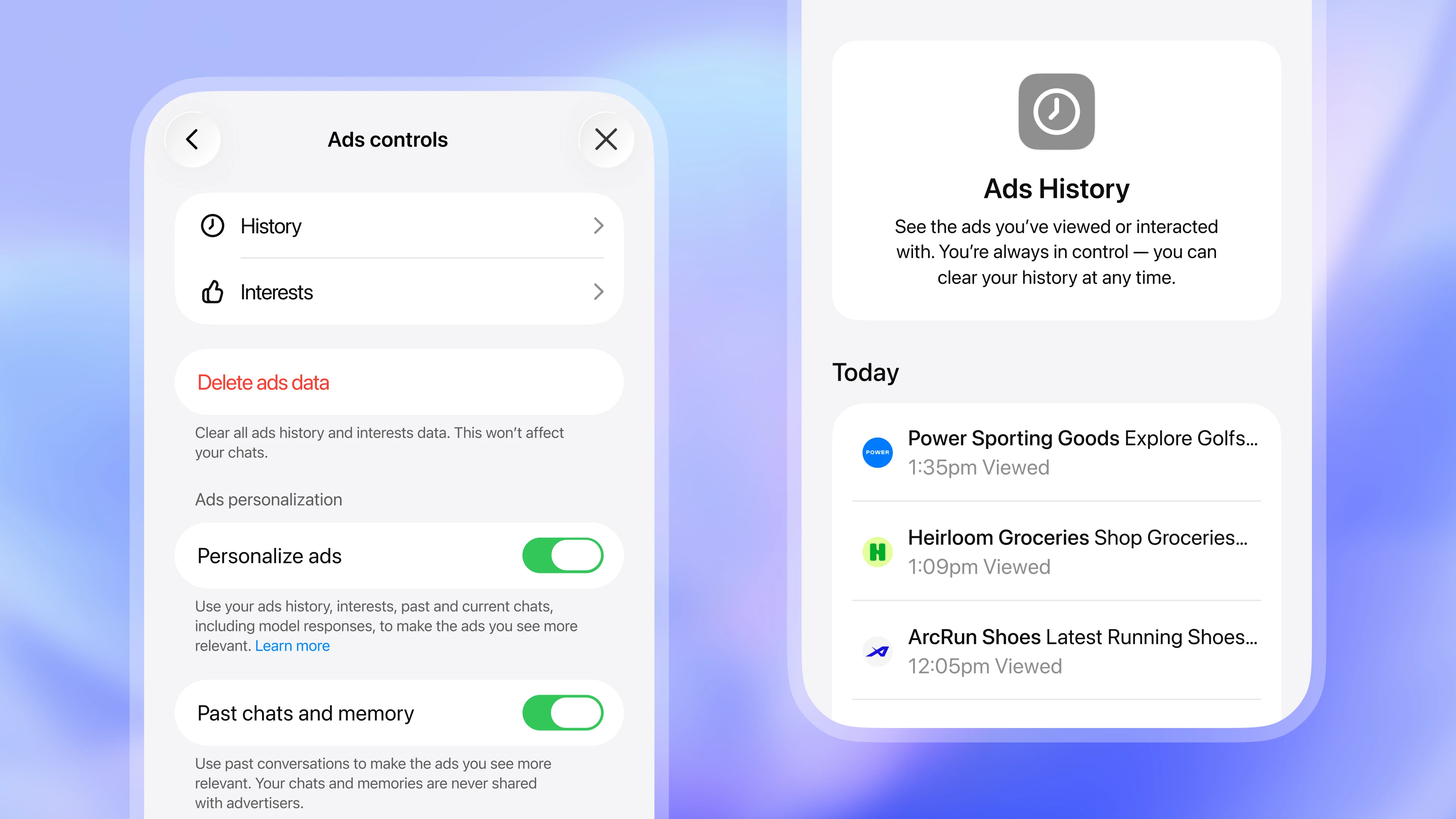
3) Privacy controls are now part of creative performance strategy
What changed this week: As ad testing expands, control surfaces for ad history and personalization are now visible product behavior, not buried policy text.
Why it matters commercially: AI agents for marketing and media teams need trust-forward creative systems. If people can inspect and adjust ad settings in one tap, opaque targeting language will underperform both compliance and conversion goals.
Apply now: Add a transparency line in your creative checklist: what data is being used, what is not, and what the user can control immediately.
Source: ChatGPT ad controls examples (OpenAI) →
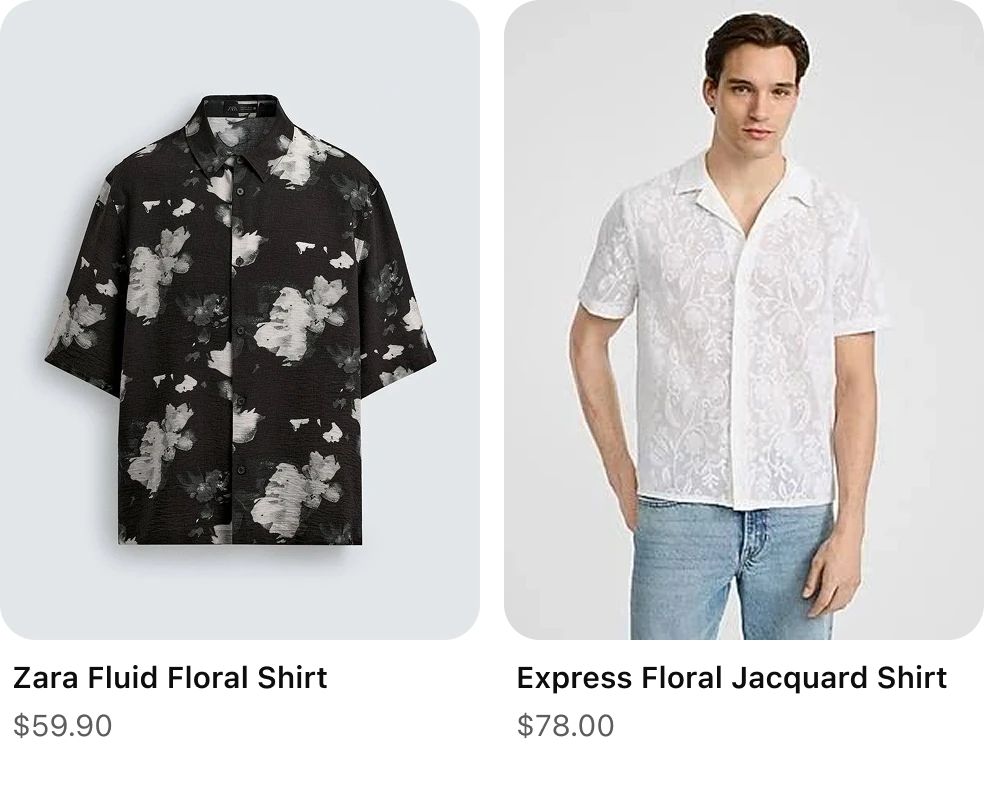
4) Visual merchandising aesthetics are being encoded as reusable prompts
What changed this week: OpenAI’s product-discovery workflows show prompt-driven taste segmentation (muted vs bolder looks) as a first-class interaction pattern.
Why it matters commercially: For AI filmmaking and AI video commercials, this is a practical signal: creative direction is increasingly expressed as controllable style parameters, not only static brand guidelines.
Apply now: Convert your style board into prompt language with 3 explicit lanes (safe, stretch, experimental), then generate cut variants for each lane before final edit lock.
Source: Product discovery style/fit examples (OpenAI) →
5) Generative video production is becoming API-native infrastructure for brands
What changed this week: Runway launched Runway Builders and Runway Fund on March 31, 2026, while publishing a Sora deprecation notice for April 3, 2026 in its platform.
Why it matters commercially: This is an infrastructure signal for AI commercial production: teams are moving from one-off tools toward programmable model layers, while model availability can shift quickly. Reliability planning and fallback model strategy are now creative operations work.
Apply now: In every generative video production brief, include a model contingency plan (primary + backup), continuity QA criteria, and a weekly model-availability check owned by production.
Source: Introducing Runway Builders (Mar 31, 2026) →
Source: Introducing Runway Fund (Mar 31, 2026) →
Source: Sora Deprecation notice (Apr 3, 2026 at 12:00 pm ET) →
We design and run AI commercial production workflows across concepting, AI filmmaking, channel adaptation, and AI agents for marketing execution.
Sources
- OpenAI: Powering Product Discovery in ChatGPT (Mar 24, 2026)
- OpenAI: Testing ads in ChatGPT (Feb 9, 2026)
- Runway: Introducing Runway Builders (Mar 31, 2026)
- Runway: Introducing Runway Fund (Mar 31, 2026)
- Runway Help Center: Sora Deprecation (Apr 3, 2026)
- Google Ads: 5 ways to collaborate with our agentic advisors (Mar 25, 2026)