
Weekly signal table
| Signal | Observed value | Confidence |
|---|---|---|
| Launch timing | Campus Confidential: Miami launched June 15, 2026 in Peacock's mobile app | High: NBCUniversal, Bravo and Realscreen all date the launch |
| Format | Two chapters, 50 episodes, vertical viewing on phone | High: The Futon Critic/NBCU release and Bravo watch guidance |
| Franchise signal | Bravo personalities and adjacent family casting create built-in awareness before paid acquisition | Medium-high: casting is public; audience impact is not disclosed |
| Mobile strategy | Peacock frames vertical video as a daily app-opening and incremental-hours strategy | High: NBCUniversal June 22 mobile engagement article |
| Performance gap | No public completion rate, episode retention, unlock rate, watch time or subscriber lift yet | High for absence; not enough data to infer ROI |
Why this won the week
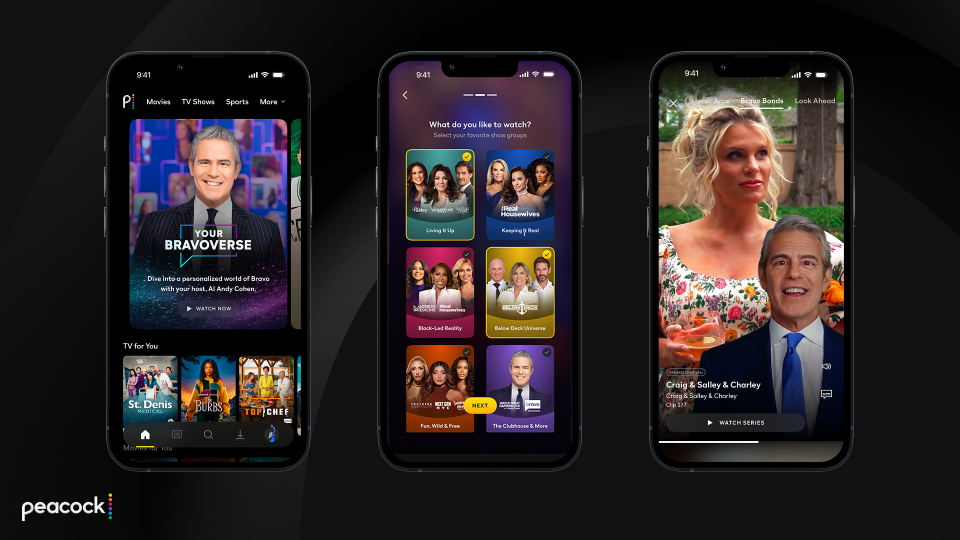
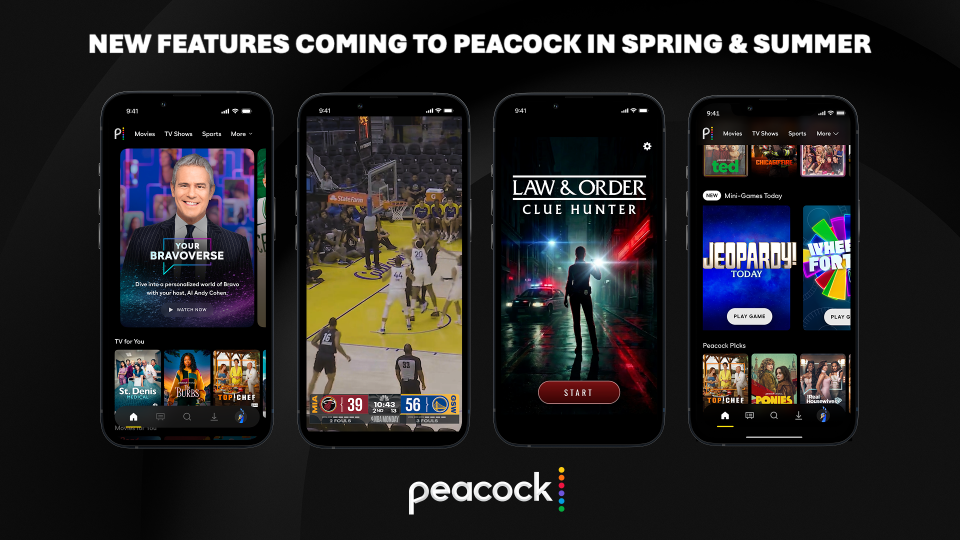
On June 22, NBCUniversal positioned Campus Confidential as part of a broader mobile engagement push: vertical video, a personalized Your Bravoverse experience, short-form clips, mobile games, interactive commerce and an AI-powered Andy Cohen guide through Bravo clips. That makes the microdrama more than content. It is a product surface designed to make people open Peacock more often.
The reason this matters for studios, brands and agencies is simple. Most vertical series thinking starts with a title and a paywall. Peacock is starting with an existing fandom, a mobile interface, franchise talent, clip discovery, AI-assisted recommendation and a known retention problem. That is closer to how commercial vertical micro dramas will scale outside pure coin-unlock apps.
There is still uncertainty. Peacock has not disclosed episode-level completion, repeat viewing, mobile session lift or subscriber movement for the microdrama. The useful signal is not proven ROI yet; it is the system design.

Hook: recognizable people, instant social stakes
The hook is not a secret billionaire, a werewolf mate or a revenge marriage. It is Bravo familiarity compressed into a vertical series: Georgia Gay, daughter of The Real Housewives of Salt Lake City's Heather Gay, inside a Miami college world built around friendship, romance, Greek life and social media scandal. That lets the first episode start with social debt rather than world-building.
For Salon Confessionals with Madison LeCroy, the hook is even more modular: a salon chair becomes a confessional. Every appointment can carry a new story, makeover, secret, betrayal or twist while keeping the host, location and format stable. It is a strong micro-drama engine because the premise explains the repeatable scene before the viewer has to learn a new world.
Apply it: if you are developing a short-form drama for a brand or creator, anchor the hook in a social situation viewers already understand. A salon chair, agency pitch room, bridal shop, campus house, estate viewing, luxury concierge desk or tattoo studio can all become repeatable confession machines if each episode adds a secret and a consequence.

World and character engine: reality DNA without a full reality schedule
Bravo's advantage is that it already trains audiences to watch social hierarchy. The world of Campus Confidential: Miami is legible in one line: sun, students, yachts, perfect posts and messier reality underneath. That is a vertical-series gift. The audience does not need lore; it needs status, jealousy, romance and a public/private split.
The character engine is also commercially efficient. Georgia Gay brings family adjacency to an existing Bravo franchise, while the campus setting supplies a broader peer group. That lets the microdrama borrow awareness from Bravo without needing a long production runway or a full-season reality arc.
For creators and studios, the lesson is to design a character engine that can regenerate conflict cheaply. The best short-form drama worlds do not need a new expensive location every episode. They need a repeatable pressure cooker: housemates, clients, classmates, siblings, rivals, bosses, exes and public reputation.

Episode rhythm and cliffhanger mechanics
The public release says Campus Confidential: Miami is broken into two chapters and 50 episodes. That tells us the likely rhythm: short scenes, a fast social premise, escalating reveals, and end beats strong enough to make the next tap feel cheaper than leaving.
The most important craft choice is not length. It is episode debt. Each instalment must leave one unresolved emotional transaction: who betrayed whom, who saw the post, who lied about the night, who is excluded, who is being used, who gets publicly exposed, who gets invited back in. That is what makes a 60- to 90-second episode behave like a conversion unit.
Apply it: build each vertical micro drama episode around four beats: status setup, disruption, reaction, unresolved consequence. In AI-assisted scripting, ask for three alternate cliffhangers per episode and score them by clarity, emotional pressure, legal/brand risk and trailer usefulness.
Paid and acquisition loop: Peacock is testing retention, not just reach
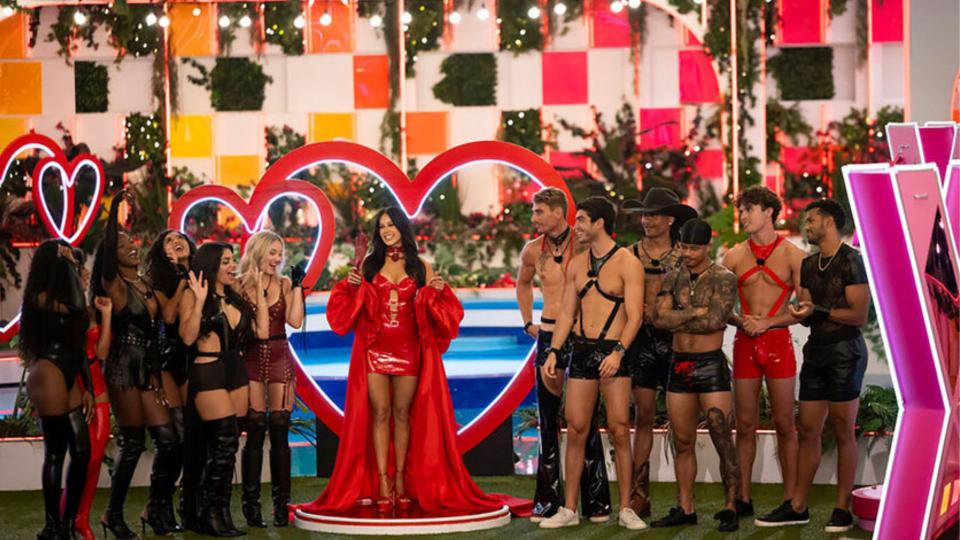
A pure micro-drama app usually runs a familiar loop: paid social hook, free first episodes, paywall, coin unlock, retargeting and localised trailer tests. Peacock's loop is different. It can cross-promote from Bravo coverage, talent social posts, in-app rails, vertical clips, Love Island behaviour, short-form fandom surfaces and push notifications.
That matters because the commercial objective is probably not an episode unlock. It is app frequency, watch time, fandom depth and habit formation. NBCUniversal's June 22 article is explicit about the value of incremental hours and users spending one more day on the platform. This is a different monetisation model from ReelShort or DramaBox, and the creative should be judged against that model.
Apply it: before writing the first scene, choose the business model. A paid-unlock short-form drama needs sharper cliffhangers and paywall timing. A streamer microdrama needs app-opening reasons and franchise adjacency. A brand-funded vertical series needs a repeatable product occasion and measurable lift. A creator series needs social comments and shareable character stakes.

Production stack: where AI helps and where it should stay controlled
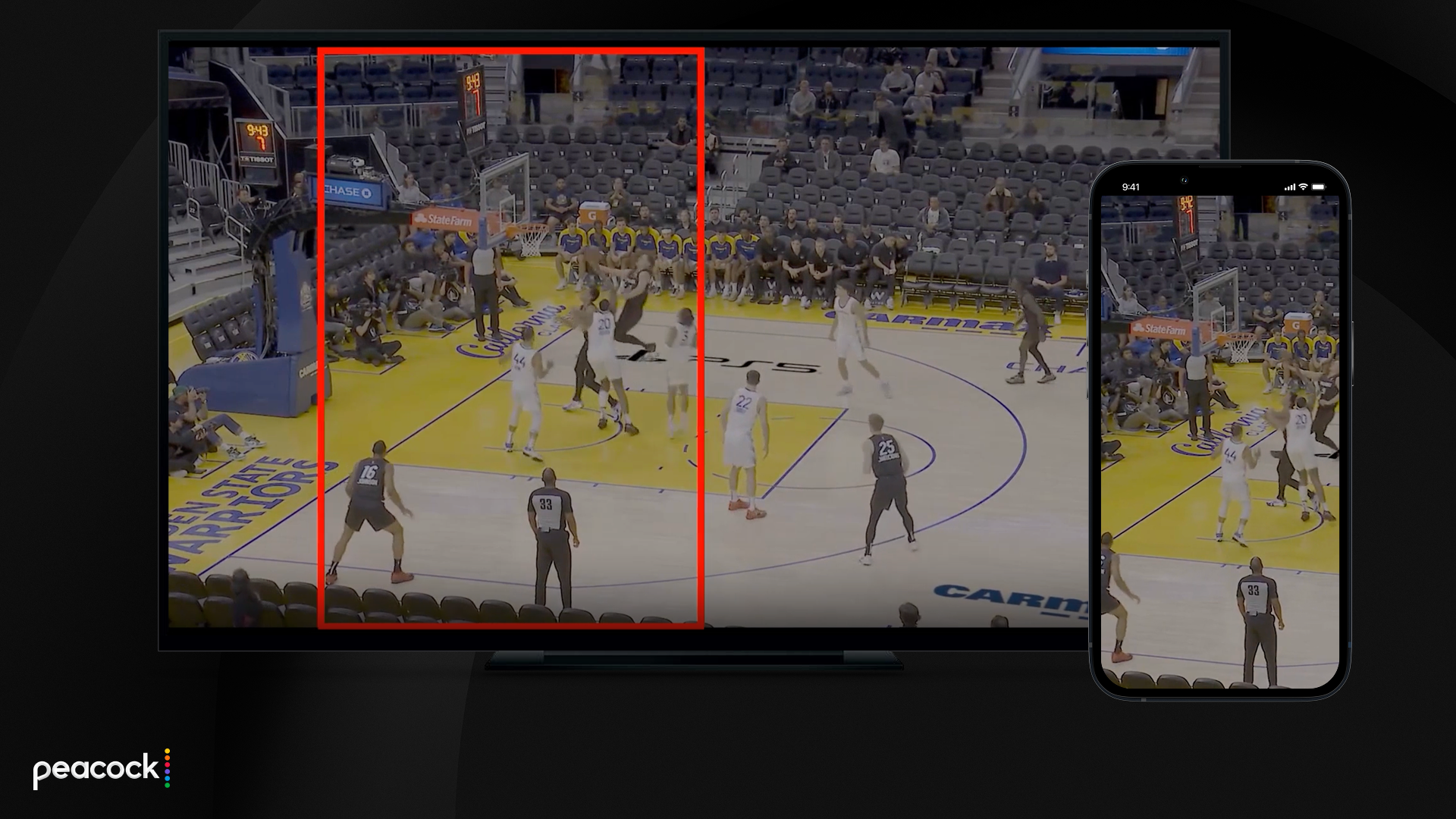
The public materials do not say that generative video was used to make Campus Confidential: Miami. The AI signal is around Peacock's broader mobile layer: an AI-powered Andy Cohen guide, automated conversion of horizontal and on-demand video into vertical formats, and a vertical feed that can route fans through clips and series.
For a studio or agency, the practical AI production stack is broader than video generation:
- AI-assisted scripting: trope maps, episode ladders, cold-open variants and cliffhanger alternatives.
- AI pre-production: location compression, call-sheet logic, wardrobe continuity, prop tracking and vertical shot lists.
- Generative video: trailer animatics, proof-of-concept inserts, set extensions, social variants and impossible B-roll, with rights review before use.
- Localisation and dubbing: subtitle timing, dubbing drafts, voice-fit tests and market-specific title variants.
- Audience testing: thumbnail, title, hook, first-episode and cliffhanger variants measured before full slate spend.
The caution is that AI should not flatten performance. Micro dramas live or die on face, reaction and timing. Use AI to compress planning and testing; protect human casting, legal review, cultural adaptation and final story judgment.
Localisation and analytics: the next version should be testable by market
Bravo's first microdramas are US-fandom native, but the structure can travel. Campus hierarchy, salon confessions, family adjacency and social scandal are all adaptable. The localisation question is not only dubbing. It is whether the status markers still work: school culture, class signals, beauty rituals, friendship codes, family pressure and public shame.
A useful analytics plan would track each level separately: episode-one start rate, three-episode retention, chapter completion, rewatch, shares, talent-driven starts, clip-to-episode conversion, push-notification return and mobile session lift. Without those numbers, a vertical series can look culturally interesting while failing commercially.
Apply it: build a testing grid before production. For each market, test title, thumbnail, first line, cast image, episode-one conflict and cliffhanger. For each language, separate literal translation, cultural rewrite and AI dubbing review. If a series is meant to sell, subscribe, drive app usage or shift brand preference, the KPI should be named before the script is locked.
Action queue for studios, brands, agencies and creators
- Studios: develop vertical series around repeatable social engines, not only one big pilot premise.
- Brands: choose a story environment where the product can become a consequence of drama, not a forced placement.
- Agencies: brief paid social, title testing and episode-one scripting together so acquisition data shapes development.
- Creators: use existing audience trust as the first hook, then design a world that can outgrow the first personality cameo.
- Platforms: separate vertical microdrama metrics from generic clips. Track continuation, not only plays.
Vertical Haus builds AI-assisted workflows for micro dramas, vertical series, short-form drama testing, localisation, dubbing, generative video support and mobile-first storytelling.
Sources
- NBCUniversal: Peacock Deepens Mobile Engagement With Vertical Video and Original Unscripted Microdramas, June 22, 2026
- NBCUniversal: AI-driven entertainment features on the Peacock mobile app, March 13, 2026
- Bravo: Madison LeCroy & Heather Gay's Daughter Georgia Are Coming to Peacock in Two New Microdrama Series, June 18, 2026
- NBCUniversal: Peacock Showcases Powerhouse Slate at NBCUniversal Upfront, May 11, 2026
- The Futon Critic: Peacock Debuts First Bravo Original Unscripted Microdrama Campus Confidential: Miami, June 15, 2026
- Realscreen: Peacock premieres first Bravo original unscripted microseries, June 15, 2026
- TechCrunch: Bravo is creating unscripted microdramas for the Peacock app, May 11, 2026
- Business Insider: Peacock is licensing micro dramas from ReelShort, May 13, 2026
Method note: research was captured on Wednesday, June 24, 2026. Peacock has disclosed format, launch timing and strategic intent, but has not published episode-level watch, completion, retention, subscriber or revenue results for Campus Confidential: Miami. Treat performance conclusions as structural analysis, not confirmed ROI.