

Weekly signal table
| Trend | Confidence | Commercial read |
|---|---|---|
| Premium TV brands are using micro dramas as companion IP | High | Lifetime's first microdrama premiered July 7 as Microhouse's tentpole title |
| Rights competition is moving beyond generic romance tropes | Medium-high | Inverted landed E.J. Joseph's Haitian American vertical drama Orevwa |
| AI-assisted platforms are selling premium vertical, not only cheap volume | Medium-high | VeYou is positioning around AI-powered development and a higher-end vertical slate |
| App-store movement keeps paid acquisition and monetisation pressure high | High | ReelShort still ranks near top-grossing entertainment while Sensor Tower shows challenger growth |
| Production infrastructure is catching up with casting and localisation needs | Medium | VertiCast and Panjaya/Shortical point to faster talent and dubbing workflows |
1) Lifetime turns micro drama into companion IP, not a side clip
What changed this week: Lifetime's first microdrama, Tides of Temptation, premiered on July 7 on Taye Diggs' Microhouse Films platform. Deadline reported that the series is the tentpole title for the new vertical platform, which launched the same day with six additional titles. Blex Media added useful production context: Tides of Temptation is the first of five vertical projects in a Lifetime and Microhouse partnership and works as a digital companion to the upcoming Lifetime movie Terry McMillan Presents: Paradise with You.
Why it matters commercially: This is a sharper signal than another standalone short-form drama app launch. Lifetime is using vertical micro dramas to extend a TV movie world, test mobile-first storytelling and give a legacy audience brand a new release surface. For studios, the commercial value is not only coins or subscriptions. It is IP proof, talent exposure, audience segmentation and a cheaper way to test character appetite before larger-format expansion.
Apply now: Treat vertical series as an IP bridge. For each film, show, podcast or creator property, map one character problem that can be watched vertically without explaining the whole franchise. Use AI-assisted scripting to test three cold opens, AI pre-production for mobile framing and generative video only for pitch boards or trailer direction. Then measure audience testing by completion, comments, saves, search lift and migration into the main property.
What not to automate yet: Do not turn a premium companion world into disposable filler. The vertical version needs its own stakes, cliffhangers and emotional debt; it should not feel like deleted scenes repackaged for phones.

2) Orevwa shows rights competition moving toward specific story worlds
What changed this week: Deadline reported on July 7 that microdrama service Inverted landed rights to E.J. Joseph's vertical drama Orevwa after what producers described as a competitive bidding process. The publicly visible article metadata describes the story as following a young Haitian man caring for his family, and IMDb lists the premise around a young gay Haitian American barista in South L.A.
Why it matters commercially: Micro dramas have been commercially dominated by high-emotion romance, revenge and status-reversal tropes. Orevwa points to the next useful layer: culturally specific IP, under-served audiences and story worlds that can differentiate a platform without relying only on louder cliffhangers. For brands and agencies, that matters because mobile-first storytelling can carry identity, place and community context if the release model protects specificity instead of sanding it down for generic reach.
Apply now: Build a rights brief before the pitch deck. Clarify ownership of the concept, scripts, characters, title, stills, creator likeness, dubbing rights, localisation territories, remake rights and social cutdowns. If the vertical series depends on lived cultural detail, use audience testing with the community before scaling paid acquisition, not after the ads expose weak assumptions.
What not to automate yet: Do not let AI-assisted scripting flatten dialect, family dynamics, humour or place. Use AI for outline pressure-testing, alternate cliffhangers and production logistics, but keep cultural specificity with the writer, director and producer team.
3) VeYou is selling AI-powered premium vertical rather than pure content volume
What changed this week: Deadline's July 2 interview with producer Tommy Harper positioned VeYou as an AI-powered vertical platform with ambitions to become a premium destination for the format. The same report connected VeYou to Rival Hearts, a soccer microdrama, and to production partners with scripted and unscripted experience.
Why it matters commercially: The category has a cost problem and a quality problem at the same time. AI production can help with AI pre-production, scheduling, script variants, storyboards, synthetic inserts, localisation planning and audience testing. But a premium vertical promise also raises expectations around performance, casting, music, rights and taste. The market is separating cheap throughput from repeatable production systems.
Apply now: Separate the AI stack into four lanes: development, production planning, localisation and marketing tests. Use AI-assisted scripting to generate beat alternatives, not final pages. Use generative video for previsualisation and paid social concept tests, not unreviewed character replacement. Build a human approval lane for acting, brand fit, safety and rights before any AI-generated asset becomes public campaign material.
What not to automate yet: Do not sell AI as the audience proposition. Viewers buy story pressure, character chemistry and emotional release. AI should make the vertical series faster to develop and easier to localise, not become the reason the viewer watches.

4) App-store rankings show the monetisation fight is still live
What changed this week: Sensor Tower's current ReelShort overview shows the app was updated on July 1 and ranks 11th on the US top-grossing iPhone entertainment chart. Its June 2026 State of Short Drama Apps report shows why that still matters: global short drama downloads passed 850 million in Q1 2026, up 140% year on year, while in-app purchase revenue reached about US$750 million, up 20% year on year. Sensor Tower also reports FreeReels as the most-downloaded short drama app globally in Q1, with NetShort, Melolo and other challengers increasing pressure on the leaders.
Why it matters commercially: The category is no longer just a ReelShort versus DramaBox story. Paid acquisition, localised creatives, frequent content drops, web/search discovery, rewarded ads and subscription or coin mechanics are all competing for the same viewer habit. Mature markets still anchor revenue, but growth markets are creating the download base that will decide which localisation and monetisation models travel.
Apply now: Track weekly app movement as part of development. For each title, record target market, genre promise, ad hook, first unlock point, day-one retention, day-seven retention, subtitle/dub language and paid acquisition creative. A vertical series should not enter production without a market route and a monetisation hypothesis.
What not to automate yet: Do not let ranking screenshots become strategy. Use app-store movement as a signal, then validate with audience testing: how quickly viewers understand the premise, whether the paywall feels fair, and whether dubbed versions preserve the cliffhanger.

5) Casting and dubbing are becoming production infrastructure
What changed this week: The strongest fresh localisation source is still the Panjaya and Shortical partnership announced in late June, and it remained commercially relevant this week as Shortical's financing and platform narrative continued. Panjaya says Shortical is localising into Spanish, Portuguese, French and German, with Japanese and Russian available soon. The same announcement says Shortical is seeing more than 20 million episodes watched monthly. On the talent side, Deadline's recent VertiCast launch coverage described a dedicated casting app for microdrama and vertical video talent.
Why it matters commercially: Fast episode output creates two bottlenecks that AI alone does not solve: finding performers who understand vertical pacing, and making localisation feel emotionally native. Dubbing and casting are not late-stage admin tasks. They shape whether the story can travel, whether performance survives translation, and whether production can keep pace with weekly content drops.
Apply now: Put localisation and casting into the production bible. Mark which characters need accent consistency, which scenes need lip-sync sensitivity, which cliffhangers depend on idiom, and which roles require vertical-native performance. Use AI dubbing and localisation to create market versions quickly, then run native-speaker review before paid acquisition. Use casting tools to build a bench of performers by trope, language, region and production availability.
What not to automate yet: Do not treat dubbing as a file conversion. The commercial asset is emotional continuity across languages. If the translated line lands late, the cliffhanger dies.

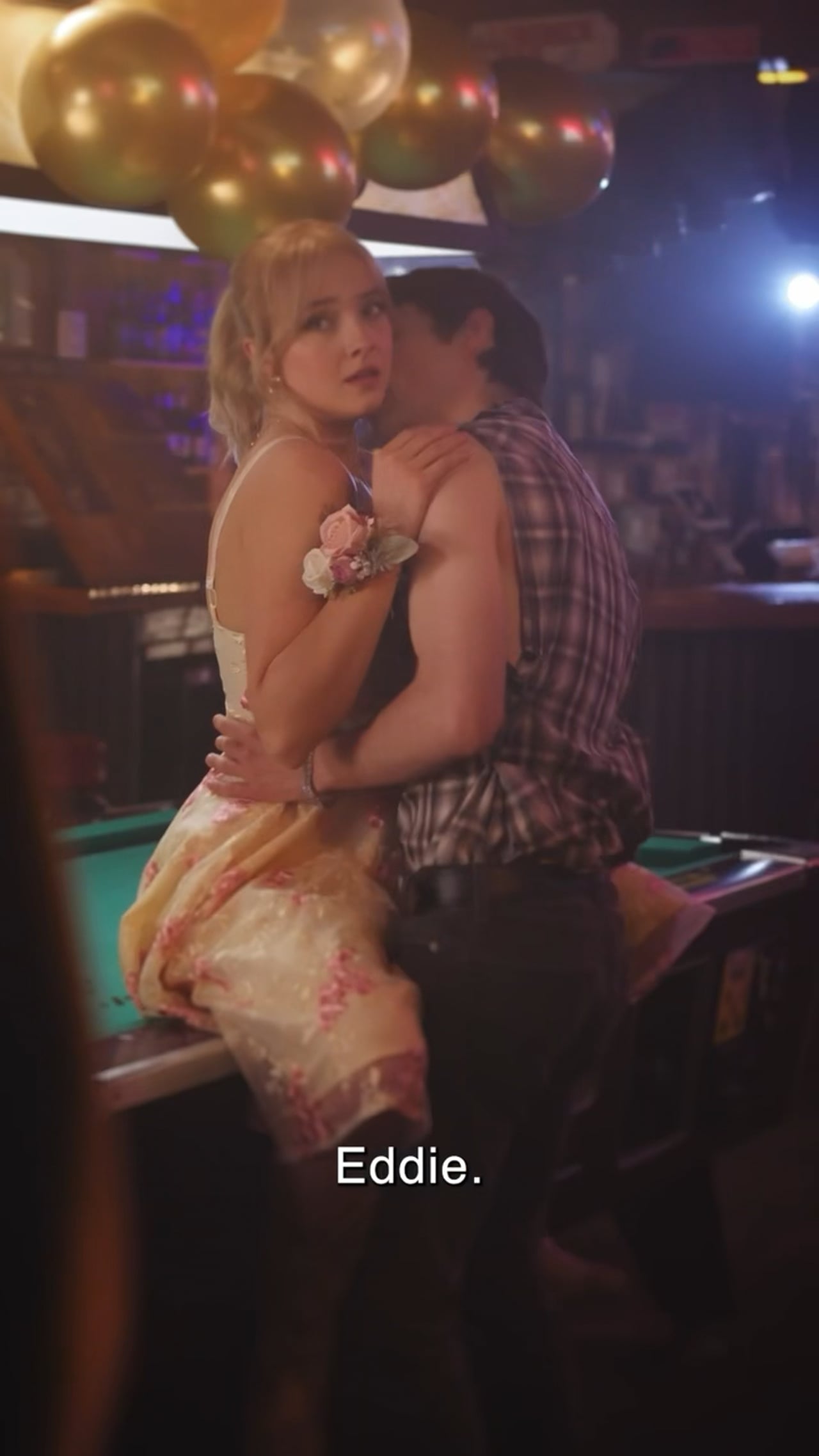
7-day micro drama action queue
- Studios: identify one existing film, show or creator property that can support a standalone vertical companion arc.
- Brands: test a recurring character world before product placement; the product should change behaviour, not just appear.
- Agencies: add app-store rank, paid acquisition hook and localisation readiness to every vertical series brief.
- Creators: package rights clearly: title, characters, scripts, likeness, cutdowns, dubbing, remakes and territory windows.
- Platforms: build casting and dubbing metadata into the commissioning workflow so release speed does not break quality.
Vertical Haus builds AI-assisted workflows for micro dramas, vertical series, short-form drama testing, localisation, dubbing, generative video support and mobile-first storytelling.
Sources
- Deadline: Lifetime microdrama Tides of Temptation premiere and Microhouse launch, July 1, 2026
- Blex Media: Microhouse Films trailer and Lifetime partnership details, July 2, 2026
- YouTube: Tides of Temptation official trailer, July 2, 2026
- Deadline: Inverted lands E.J. Joseph's Orevwa, July 7, 2026
- IMDb: Orevwa title page and premise context
- Deadline: Tommy Harper on AI-powered VeYou and Rival Hearts, July 2, 2026
- Sensor Tower: ReelShort US App Store overview, accessed July 10, 2026
- Sensor Tower: State of Short Drama Apps 2026 report page, June 2026
- Deadline: VertiCast microdrama casting app launch, June 9, 2026
- Panjaya: Shortical AI dubbing and localisation partnership, June 18, 2026
Method note: research was captured on Friday, July 10, 2026. Where sources do not disclose completion, conversion, retention or revenue outcomes, commercial conclusions are based on observed distribution, rights, production, app-store and localisation structure rather than confirmed ROI.