
Weekly signal table
| Trend | Confidence | Commercial read |
|---|---|---|
| Short-form drama growth is now a media-planning category | High | Adjust reported Q1 2026 installs up 238% year over year, with LATAM up 913% |
| Microdrama trailers are moving into cinema pre-shows | High | aTwist and National CineMedia are putting 45-second previews in front of movie audiences |
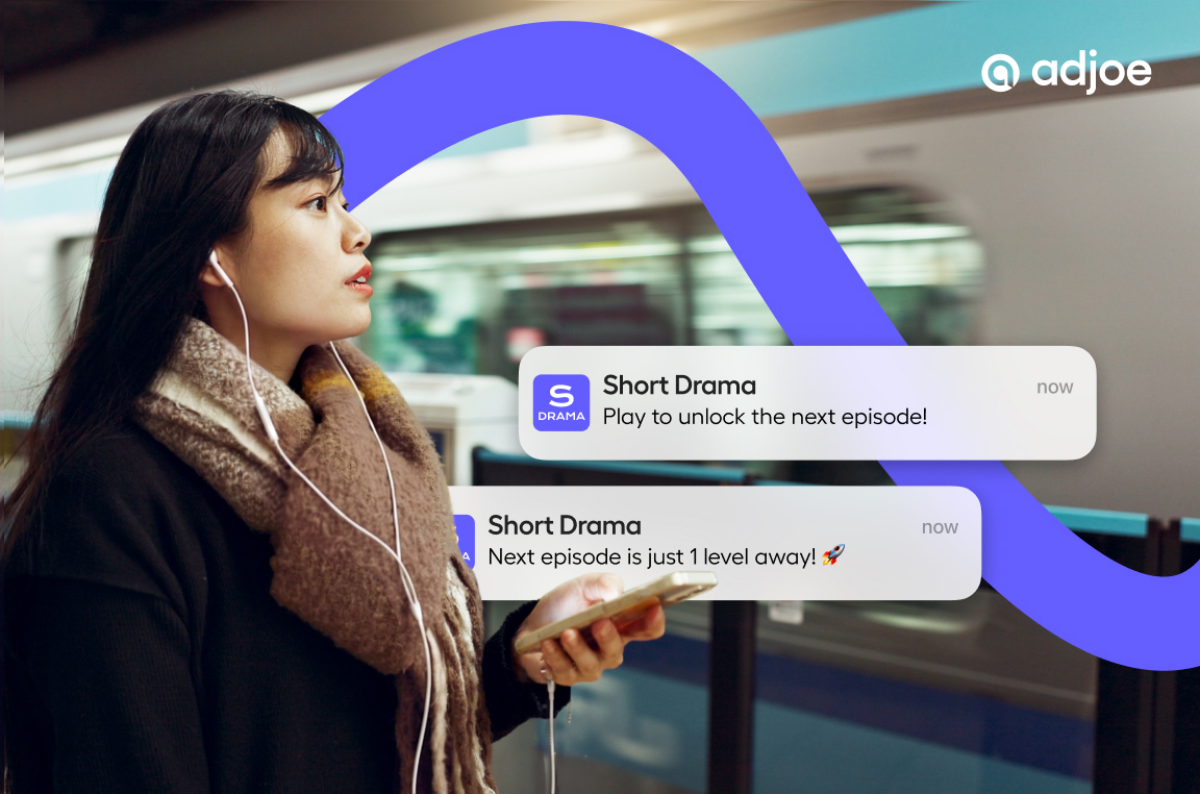
| Rewarded engagement is becoming a monetisation hedge | Medium-high | adjoe identified 717 short drama apps and a top-five revenue concentration problem |
| AI production is changing greenlight economics | Medium-high | Caixin reported China microdrama studios using AI to cut production cost and cycle time |
| Localisation is becoming a release-design decision | High | Shortical and Panjaya are positioning expressive AI dubbing as a global microdrama growth layer |
1) Short-form drama growth is now a media-planning category
What changed this week: Adjust published a new short drama apps report showing global short drama app installs up 238% year over year in Q1 2026. The strongest regional acceleration came from LATAM, up 913%, with EMEA up 250% and APAC up 228%. Adjust also said 67% of app marketers see short-form video as their top-performing ad format and 62% are moving toward AI-assisted creative production.
Why it matters commercially: Micro dramas are no longer just entertainment trivia for producers. They are becoming a paid-acquisition category with measurable regional variance. A vertical series now needs the same planning discipline as a performance app launch: market selection, first-episode creative, store-page promise, retention target, unlock thesis and localised paid hooks.
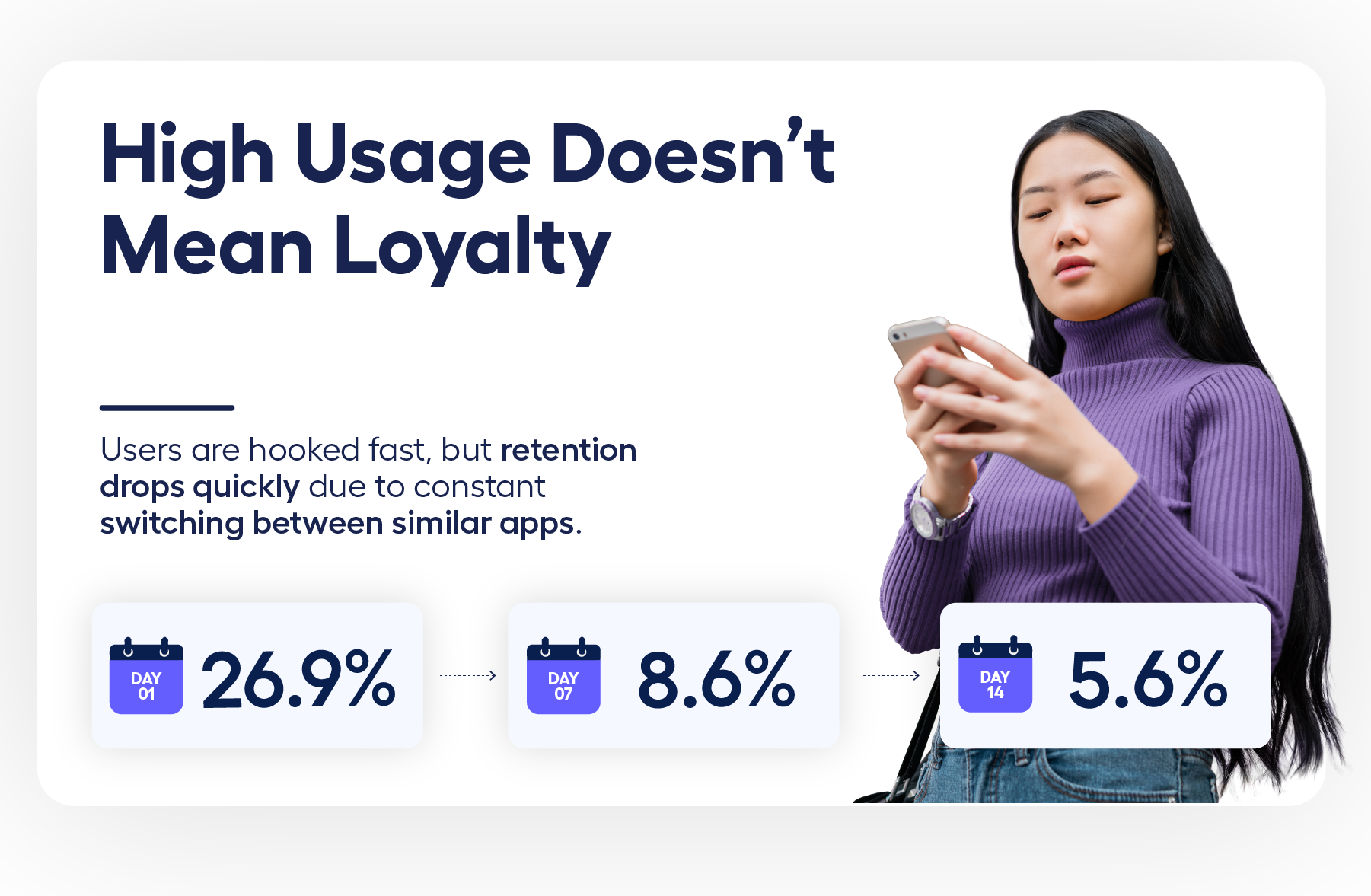
Apply now: Treat every vertical micro drama as a market test before it becomes a slate. Build three paid-hook territories around the same premise, localise the title and first line, then compare install quality, episode-one completion, three-episode retention and paywall or ad-reward behaviour. Use AI-assisted scripting for cold-open variants, but keep a human editor responsible for the emotional promise in each market.
What not to automate yet: Do not let growth data choose the story alone. High-install regions still need local writers, cultural review and audience testing that separates cheap curiosity from durable mobile-first storytelling.
2) Microdrama trailers are moving into cinema pre-shows
What changed this week: The Hollywood Reporter covered aTwist's deal with National CineMedia to put vertical microdrama previews into US cinema pre-shows. The launch slate includes 45-second previews from titles such as A Marriage Deal With My Billionaire CEO and Alphas Eat Last, with QR codes pushing audiences from a theatrical seat to the app. LA Times coverage also framed the move around movie-theater audiences and a summer launch window.
Why it matters commercially: This is the category moving from pure phone-feed acquisition into premium attention. Cinema pre-shows create a different promise: higher shared attention, brand-safe context, genre adjacency and a chance to reach people already primed for story. For studios and brands, the key question is whether vertical series can convert a high-attention offline moment into app starts, social follows or branded story engagement.
Apply now: Cut trailer assets by context, not only by duration. A cinema preview should use a clean premise, readable faces, a single emotional contradiction and a QR action that makes sense after the lights come up. A TikTok or Reels version can be messier, faster and more comment-led. A retailer or venue version should connect the story to an immediate action without turning the episode into a sales demo.
What not to automate yet: Do not auto-resize app trailers for every screen without redesigning the first three seconds. The viewer's posture, audio environment and willingness to scan a QR code change the creative job.

3) Rewarded engagement is becoming a monetisation hedge
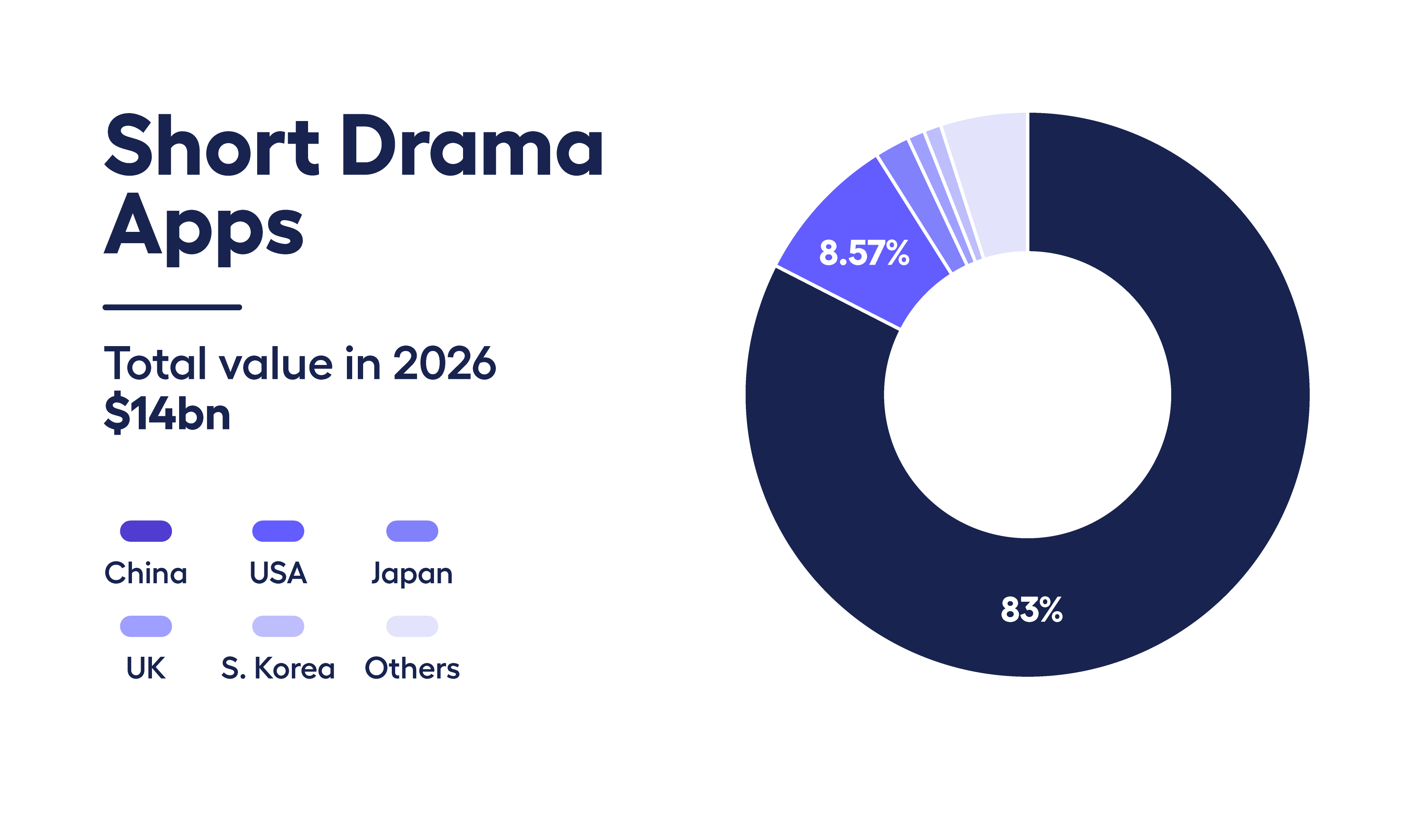
What changed this week: adjoe's new short drama analysis, using Sensor Tower and AppMagic inputs, counted 717 short drama apps active by May 2026 and argued that the market is already concentrating revenue around a small set of leaders. The useful signal is not just app count. It is the monetisation split: paid unlocks, subscriptions, rewarded ads, retargeting and external offerwalls are being mixed to keep non-paying viewers engaged long enough to become valuable.
Why it matters commercially: A vertical series can fail even when the creative works if the monetisation model is mismatched. Paid-unlock stories need emotional debt at episode breaks. Rewarded-ad models need a fair exchange that does not make the drama feel interrupted. Brand-funded micro dramas need a measurable behaviour beyond views. Streamer tests need app frequency and retention, not coins.
Apply now: Decide the business model before writing the cliffhanger. If the goal is coins, map the unlock moment to the strongest unresolved question. If the goal is ads, design breaks around natural scene transitions and test reward value. If the goal is brand lift or shopper action, build a measurement path around completion, click, basket, search lift or qualified traffic instead of vanity plays.
What not to automate yet: Do not optimise the same creative against every metric. Audience testing only improves a micro drama when the team knows whether the next tap, the next purchase, the next store visit or the next episode is the business outcome.
4) AI production is changing greenlight economics
What changed this week: The strongest AI production signal still comes from China, where Caixin reported that AI tools have pushed microdrama production from experiment to operating model in roughly 90 days. The article describes AI-assisted scripting, image generation, video generation, scene assembly and post-production loops being used to reduce cost, compress timelines and test more concepts.
Why it matters commercially: AI production changes the decision threshold. A studio can now test more premises, title concepts, poster routes, cold opens and generative video proof-of-concepts before committing a full shoot. That does not remove craft. It moves human judgment earlier: which premise deserves budget, which AI-generated beat feels emotionally false, where casting matters, and where legal or platform risk is too high.
Apply now: Build a two-track pre-production loop. Track one uses AI-assisted scripting, image boards, rough generative video and audience testing to identify the strongest hook. Track two uses conventional production discipline: casting, release rights, wardrobe continuity, locations, sound, edit rhythm and cultural review. Use AI pre-production to de-risk the slate, then spend real money only on the premises that prove tension and retention.
What not to automate yet: Do not confuse low production cost with low story risk. Micro dramas depend on face, reaction, status and timing. Generative video can help plan or extend a world, but a flat performance still kills the next tap.

5) Localisation is becoming a release-design decision
What changed this week: StreamTV Insider followed the Shortical and Panjaya partnership for emotionally expressive AI dubbing in mobile-first microdramas. The deal builds on Panjaya's June announcement that Shortical content is being localised into Spanish, Portuguese, French and German, with Japanese and Russian next. The ambition is not a subtitling layer. It is a faster global release system.
Why it matters commercially: Localisation now affects development, not just delivery. If a vertical series is likely to travel, the bible has to track names, class markers, family roles, jokes, music rights, voice permissions, product references and culturally specific status cues from the start. Dubbing can move faster than a production team can rewrite mistakes after launch.
Apply now: Add a localisation column to every micro-drama treatment. For each episode, mark dialogue that needs adaptation, jokes that may fail, product or legal claims, names that carry meaning, and lines that need human approval before AI dubbing. Test the first trailer in each target language before buying media. Keep AI dubbing, human linguistic review and performance notes in the same release workflow.
What not to automate yet: Do not localise only the words. The market decides whether the status, shame, romance, family pressure and revenge mechanics feel native enough to keep watching.

7-day micro drama action queue
- Studios: choose one premise and test three localised hooks before committing the pilot slate.
- Brands: brief one story environment that can support product behaviour, not just product visibility.
- Agencies: build separate acquisition cuts for app feeds, cinema pre-shows, retailer screens and creator distribution.
- Creators: use AI-assisted scripting to generate alternate first lines, then rewrite around voice and performance.
- Platforms: split dashboards by business model: paid unlock, rewarded ad, subscription, streamer retention or brand action.
Vertical Haus builds AI-assisted workflows for micro dramas, vertical series, short-form drama testing, localisation, dubbing, generative video support and mobile-first storytelling.
Sources
- Adjust: Short drama apps report, June 2026
- adjoe: The rise of short drama apps and rewarded engagement, June 2026
- Sensor Tower: State of Short Drama Apps 2026 Report
- The Hollywood Reporter: Microdrama previews are heading to movie theater pre-shows, June 2026
- Los Angeles Times: Microdrama previews are hitting movie theaters this summer, June 17, 2026
- Caixin Global: How AI took over China's micro-drama industry in 90 days, June 1, 2026
- StreamTV Insider: Shortical partners with Panjaya on expressive AI-powered dubbing, June 2026
- Panjaya.ai: Shortical partnership announcement, June 2026
Method note: research was captured on Friday, June 26, 2026. Where sources do not disclose completion, conversion, retention or revenue outcomes, commercial conclusions are based on observed distribution, production and monetisation structure rather than confirmed ROI.