
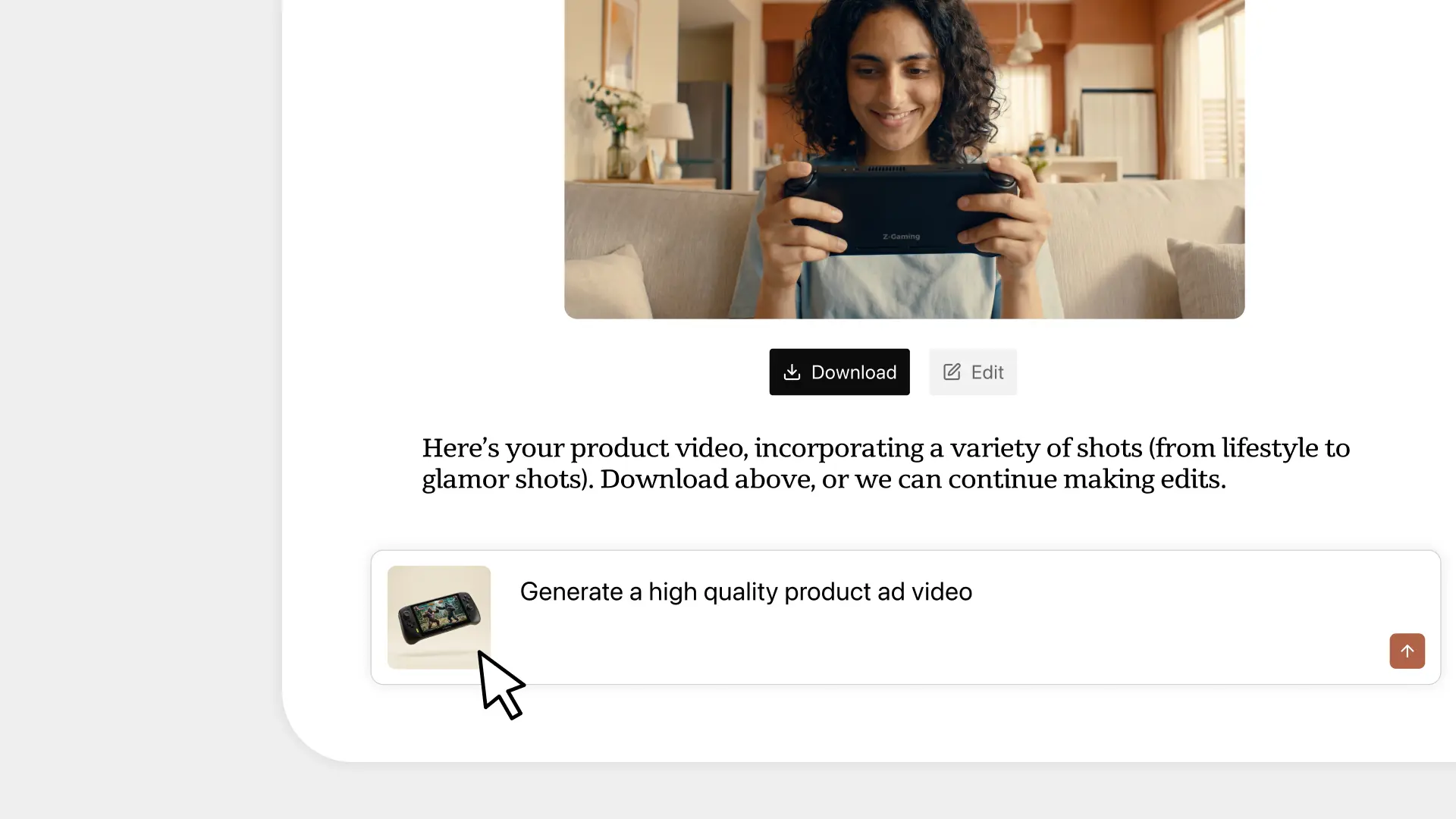
1) Runway MCP moves AI image and video generation into agentic production
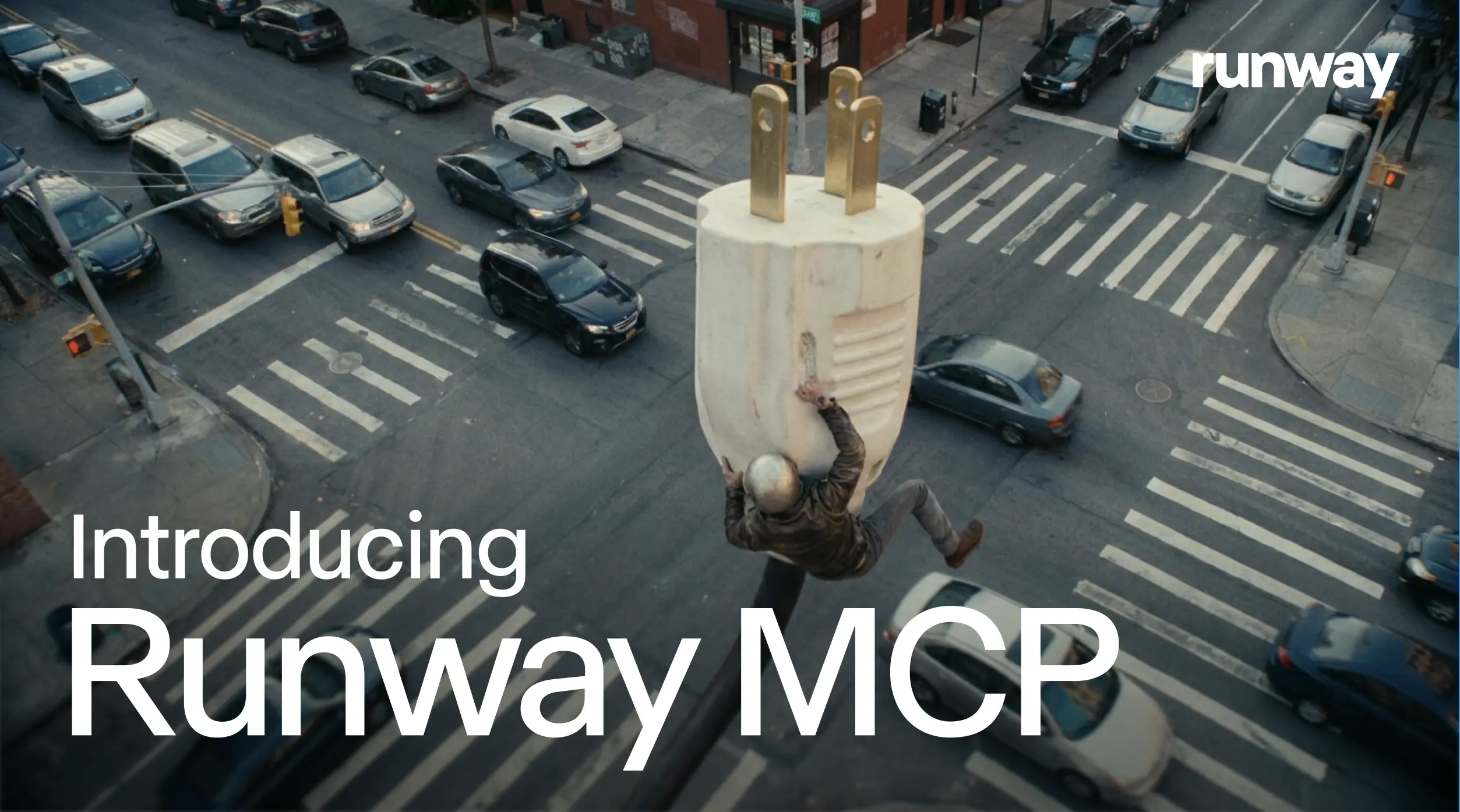
Dated evidence: Runway published “Introducing Runway MCP” on May 27, 2026. The company says the server lets MCP-compatible agents generate video and image assets directly inside external tools. Runway lists use cases including product-page-to-marketing-video generation, new product visual assets from a reference image, character-led product ads, and visual content for apps and sites, with access to models including Gen-4.5, Seedance 2.0, GPT Image 2, Kling 3.0, and Nano Banana Pro.
Why it matters for AI film and advertising: the creative workflow is shifting from prompting in a separate app to giving a production agent the brand URL, product facts, reference images, and output brief, then letting it call generation tools as part of the job. That reduces handoff cost, but it also means the quality of structured inputs becomes as important as the model itself.
Workflow dependency map: brand source of truth, product URL, approved references, usage rights, model permissions, output ratios, and human review gates for image/video claims.
Production impact estimate: for concept boards and paid-social route exploration, an MCP-connected agent can compress the first asset pass from a manual prompt session into a repeatable system step. The biggest gain is not final polish; it is making the first 10 useful options easier to reproduce, audit, and re-run.
Decision now: build one internal agent test that turns a live product page and one approved reference board into three short video routes, three static ad routes, and a tracked list of source assumptions.
Source: Runway, Introducing Runway MCP (May 27, 2026) →
2) Runway Project Luxo shows the new bar for AI film craft
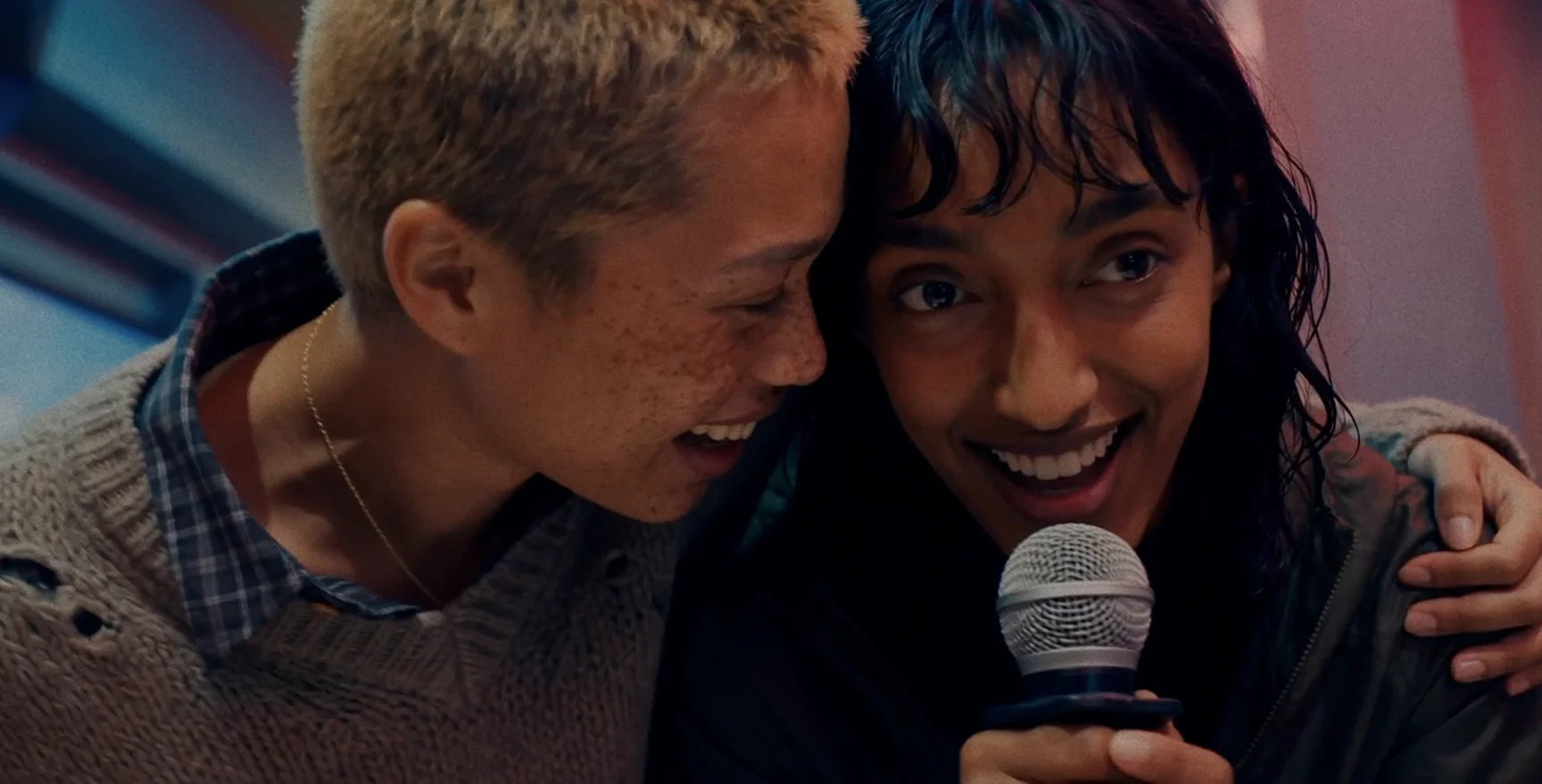
Dated evidence: Runway published “Project Luxo: AI holds up to its test audience” on May 26, 2026. The post says Runway screened three AI short films and one spec commercial for roughly 60 film and TV professionals, from studio executives to producers and journalists. Runway reports that the works were made by individual creators in timelines ranging from about seven hours to three weeks, and that the audience discussed story and craft rather than focusing only on model novelty.
Why it matters for AI filmmaking: Project Luxo is not a benchmark, and it should not be treated as neutral measurement. Its value is different: it shows where the conversation is moving when AI work is shown to production people as finished films and commercials. The question becomes whether an idea, performance, edit, sound bed, and brand premise can hold attention when the toolchain fades into the background.
Workflow dependency map: script, visual references, model selection, editor time, sound design, disclosure plan, spec-use boundary, and test-audience feedback loop.
Production impact estimate: for spec commercials and internal pitch films, the reported seven-hour-to-three-week range is a useful planning bracket. Fast AI films still need taste, edit judgment, and sound; the production calendar shifts from crew logistics toward iteration, curation, and legal review.
Decision now: evaluate AI film tests with the same scorecard as conventional campaign films: premise, brand truth, performance, continuity, edit rhythm, sound, and audience takeaway.
Source: Runway, Project Luxo: Crossing the Uncanny Valley of AI Media (May 26, 2026) →
3) Google starts moving Display into Demand Gen, with new creative pressure
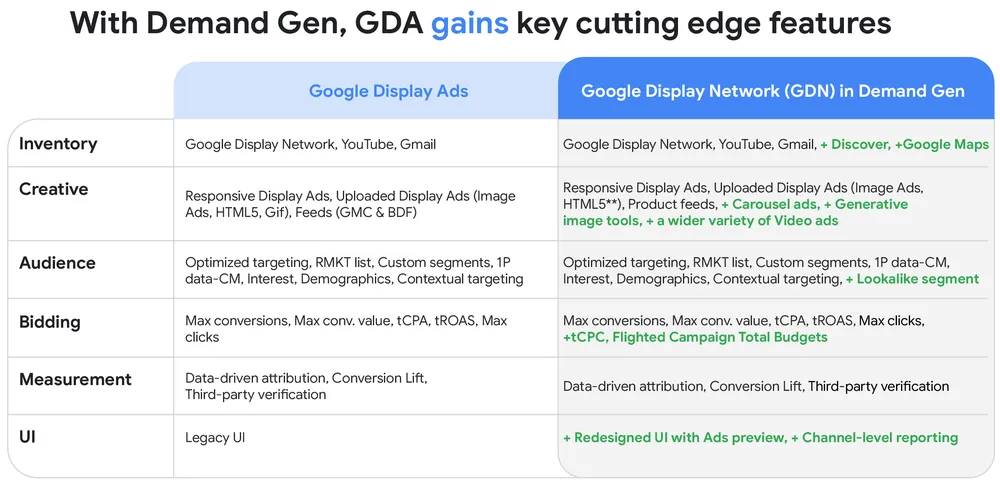
Dated evidence: Google announced on May 26, 2026 that Google Display Ads campaigns are beginning to upgrade into Demand Gen. Google says Demand Gen reaches more than 2 million sites, videos, and apps across the Google Display Network, YouTube, Discover, Gmail, and Google Maps. Google also says advertisers using Demand Gen saw an average 9.5% lift in return on ad spend compared with paid social, and cites GoFood lowering cost per acquisition by 24% while increasing conversions by 19%. Google says the full migration of Google Display Ads campaigns to Demand Gen will continue into 2027.
Why it matters for advertising teams: even when the update is framed as a media migration, it changes the creative operating model. Demand Gen increases the need for modular visual systems: image, video, feed, copy, and audience variants that can travel across more inventory without becoming generic.
Workflow dependency map: media objective, audience segments, creative taxonomy, product feed, visual variants, landing-page truth, naming conventions, and measurement windows.
Production impact estimate: the ROAS and GoFood figures are not a guarantee for any one brand, but they justify a tighter creative testing backlog. The practical change is more surfaces to feed, more asset ratios to maintain, and faster fatigue if teams only adapt one master asset.
Decision now: connect generated creative to media labels before launch: concept, audience, product claim, aspect ratio, hook, CTA, and source assets. Without that taxonomy, AI asset volume becomes reporting noise.
Source: Google Ads, Google Display Ads campaigns upgrading to Demand Gen (May 26, 2026) →
4) ElevenLabs Music v2 makes campaign music more editable
Dated evidence: ElevenLabs published “Introducing Music v2” on May 27, 2026. The company says Music v2 generates tracks from prompts and allows users to edit by section, add or remove sections, change lyrics and style, and use inpainting to regenerate specific parts while keeping the rest of the song intact. ElevenLabs also says its new ElevenCreative library includes downloadable music for use in ads, branded content, videos, and podcasts.
Why it matters for sound generation: the important shift is editability. Campaign teams rarely need a random complete track; they need a 15-second lift, a cleaner outro, a version without vocals, or a chorus that hits the product reveal. Section-level music editing makes AI audio closer to a production tool and less like temp-track roulette.
Workflow dependency map: music brief, edit duration, mood arc, usage rights, brand sound rules, disclosure standard, lyrics approval, and platform delivery requirements.
Production impact estimate: for pitch films, test ads, and social prototypes, editable AI music can remove one or two temp-track search loops. Final-use value still depends on rights review and brand policy, but timing and tone can now be tested earlier with less friction.
Decision now: brief generated music like picture: intro, build, reveal, end frame, prohibited references, vocal policy, and whether the track is for exploration or licensable campaign use.
Source: ElevenLabs, Introducing Music v2 (May 27, 2026) →
Source: ElevenLabs, Meet ElevenCreative (May 28, 2026) →
5) ElevenLabs Dubbing v2 brings localization closer to performance preservation
Dated evidence: ElevenLabs published “Introducing Dubbing v2” on May 28, 2026. The company says Dubbing v2 preserves the speaker’s tone, pacing, delivery, and emotional intent across more than 90 languages; adapts translations for spoken delivery; and uses sync-aware translation to align starts, stops, and pacing automatically. ElevenLabs says Dubbing v2 is available in ElevenCreative and through ElevenProductions, with seven days of free usage at one minute on the Free plan, 15 minutes on Starter, and 30 minutes on Creator+ plans, and says API access is coming soon.
Why it matters for film and advertising: localization is one of the fastest ways for AI sound to create real campaign leverage. A good dub is not only translated text; it is performance, timing, tone, and mouth movement. Dubbing v2 pushes more of that work into a reviewable production surface, which is exactly where multilingual video variants have often slowed down.
Workflow dependency map: master video, transcript, target markets, legal copy, voice-consent policy, subtitle rules, lip-sync tolerance, and local-market approval.
Production impact estimate: for regional social launches, a dubbing workflow can make earlier market testing viable before full localization spend is approved. The risk is false confidence: sensitive claims, humour, dialect, and regulated copy still need local review.
Decision now: choose one existing short-form ad and produce two dubbed market tests, then score voice match, timing, legal accuracy, and local creative response before scaling.
.webp)
Source: ElevenLabs, Introducing Dubbing v2 (May 28, 2026) →
Risk to live campaigns this week
| Workflow area | Primary dependency | Brand/legal risk | Delivery impact |
|---|---|---|---|
| Agentic image/video generation | Structured source facts, reference assets, model access | Moderate-high: agents can scale weak assumptions quickly | High for first-pass boards, social routes, and repeatable tests |
| AI film craft | Story, edit judgment, sound, disclosure, feedback loop | Moderate: spec work can blur tool novelty and brand fit | Medium-high for pitches and internal campaign films |
| Demand Gen migration | Creative taxonomy, asset ratios, feed accuracy, reporting labels | Moderate: poor creative labels can hide claim or audience issues | High as more display inventory becomes cross-surface testing |
| AI music and dubbing | Rights policy, voice consent, lyrics, translation review | High: final-use audio needs explicit licensing and market checks | Medium-high for prototype sound and regional campaign versions |
Operator checklist for next sprint
- Agents: test one product-page-to-ad-asset workflow and log every source assumption.
- Film: judge AI spec work on story, edit rhythm, sound, and brand truth before model novelty.
- Media: prepare Demand Gen creative labels before asset volume increases.
- Sound: separate temp, test, and final-use music or dubbing in every review note.
We can map AI image, video, sound, and ad-platform changes to your campaign workflow, then turn the useful ones into a sprint-ready production plan.
Sources
- Runway: Introducing Runway MCP (May 27, 2026)
- Runway: Project Luxo: Crossing the Uncanny Valley of AI Media (May 26, 2026)
- Google Ads: Google Display Ads campaigns upgrading to Demand Gen (May 26, 2026)
- ElevenLabs: Introducing Music v2 (May 27, 2026)
- ElevenLabs: Meet ElevenCreative (May 28, 2026)
- ElevenLabs: Introducing Dubbing v2 (May 28, 2026)