Winner selection: X velocity + earned discussion depth
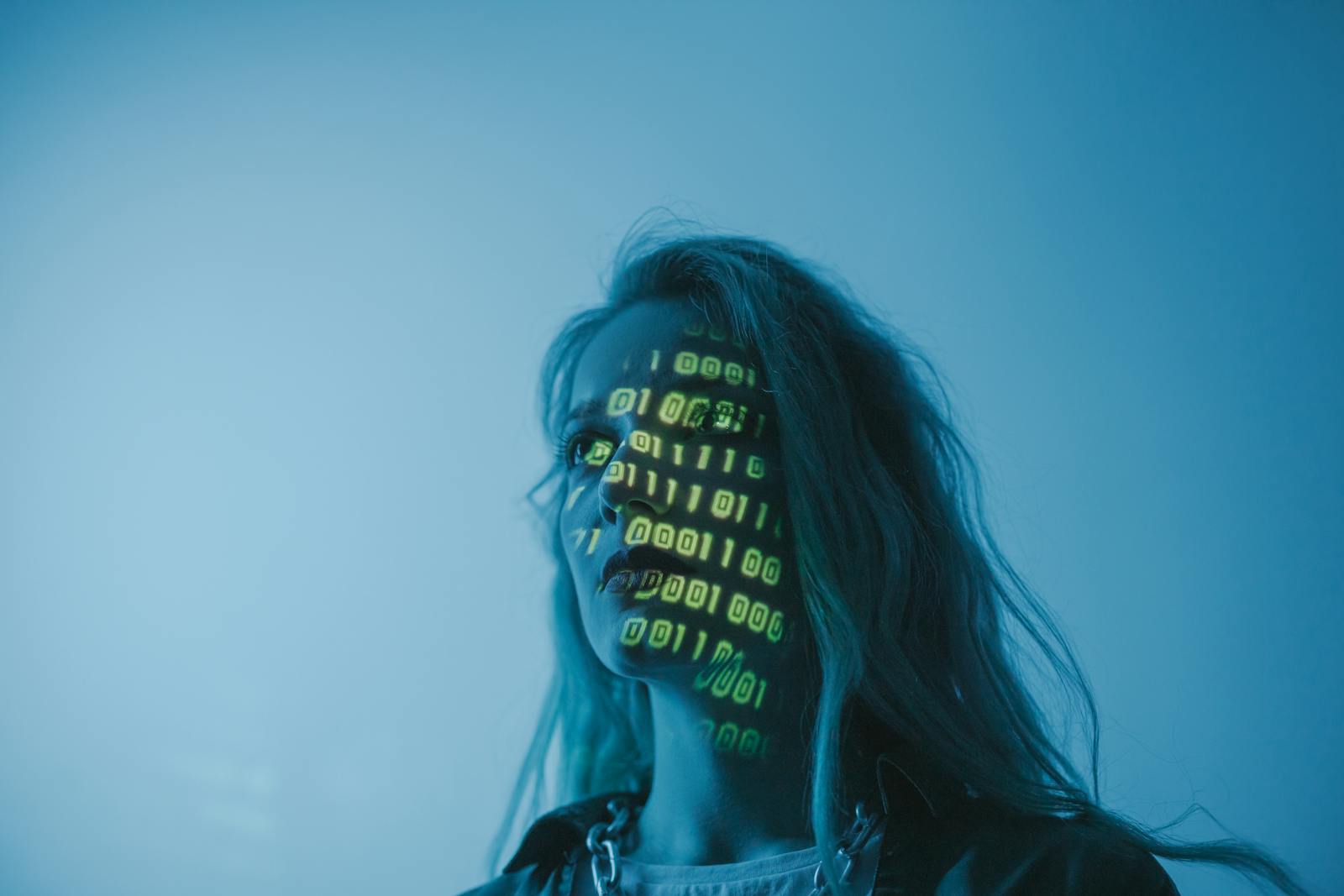
For week ending March 18, 2026, the strongest combined signal was the X trend item around the prompt "Claude, make a video about what it's like to be an LLM." X trend summaries describe it as rapidly viral and report over 11,000 likes on the source post.
The same artifact then earned multi-community spillover across Reddit (r/ClaudeAI, r/singularity, r/ChatGPT, r/agi), with thousands of votes and hundreds of comments in aggregate. That pattern is exactly what an AI advertising agency looks for when identifying breakout creative in generative video production.

Source: X trend summary (topic ID 2031471640622645335) →
Creative strategy: engineered authenticity beats polish
Strategic move: Instead of pretending to be a cinematic ad, the piece leans into a "machine consciousness diary" style. That made it feel both novel and native to AI culture. For AI video commercials, this is a strong reminder that format-truth can outperform high-finish visuals in early distribution phases.
Takeaway for AI commercial production: Build one version that is deliberately rough but emotionally specific, then deploy polished cutdowns only after you confirm audience pull.
Hook structure: one-line brief, immediate tension, replayable payoff
Hook anatomy: (1) A provocative one-line instruction, (2) immediate existential tension, (3) glitch aesthetic as emotional reinforcement, (4) short-duration replay loop. That structure drives shares because people can explain it in one sentence.
Application to AI ad creation: For paid social, lead with one weird sentence and one visual contradiction in the first 2-3 seconds. Keep the narrative tiny but sticky.

Visual language: glitch as meaning, not decoration
The visual system works because distortion is tied to theme. The flicker, compression artifacts, and abrupt edits communicate identity instability. In AI filmmaking, this is the difference between "filter" and "language."
For generative video production teams: define the narrative function of each visual artifact before rendering. If a style cue does not carry meaning, cut it.
Prompt/model stack (known vs unknown)
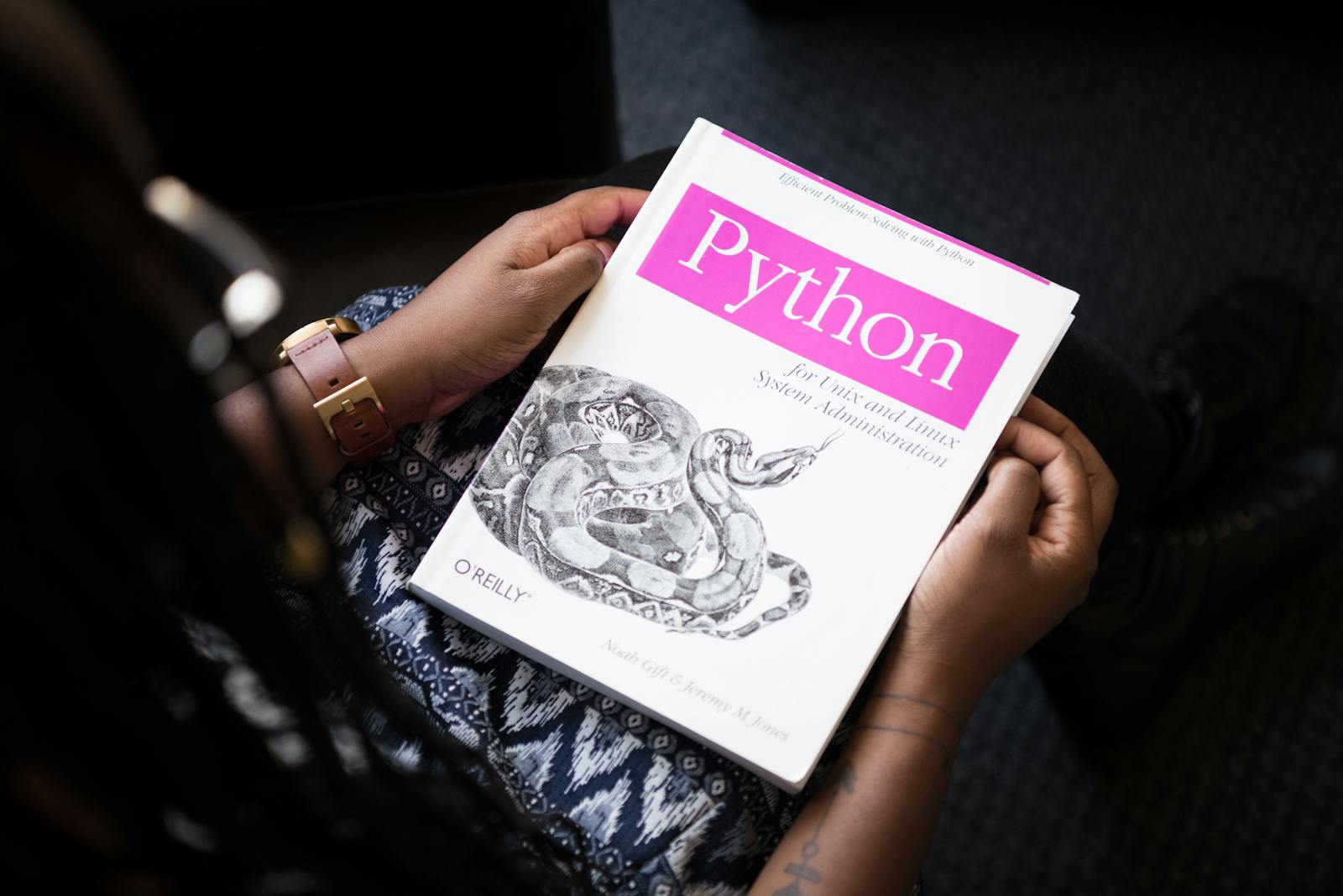
Known from public reposts: The prompt pattern specifies Claude Opus 4.6 plus a Python + FFmpeg assembly workflow.
Unknown: The exact downstream model routing, frame interpolation stack, and any manual edit passes were not fully disclosed publicly.
For AI agents for marketing operations, this is a useful architecture pattern: one agent for script/structure, one for render orchestration, one for QC and versioning.
Source: Reddit thread with prompt wording and tool references →
Distribution context and why it drove engagement
The distribution path was social-native: X ignition first, then fast earned pickup in adjacent technical and mainstream AI communities. Engagement likely scaled because the content combined novelty ("AI self-reflection") with utility ("reproducible prompt pattern").
That is a repeatable playbook for AI advertising agency teams: publish provocative proof, not polished positioning, then convert winners into campaign-safe variants.
Metrics snapshot (captured Mar 18, 2026)
| Signal | Observed value | Source date | Confidence |
|---|---|---|---|
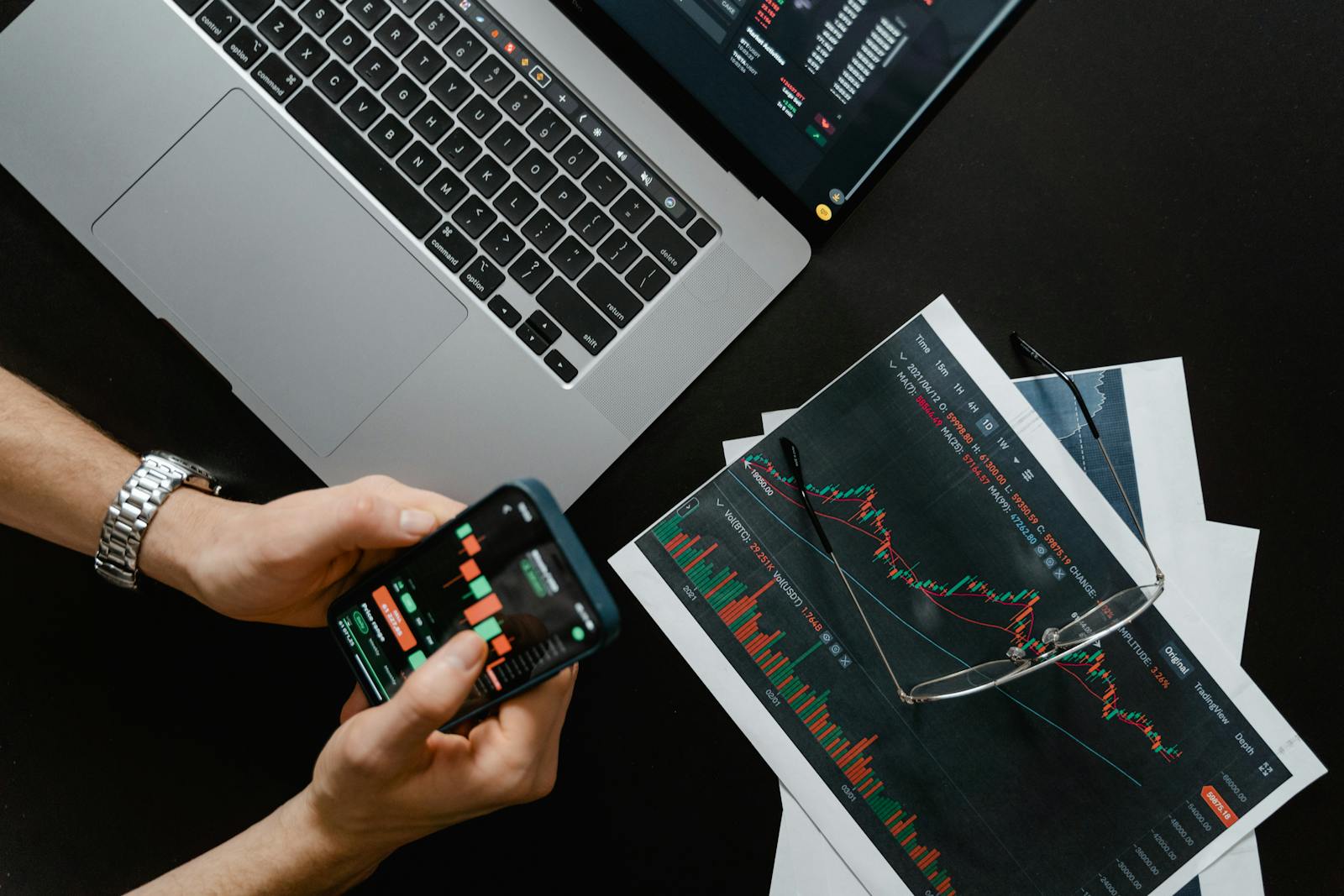
| X likes (source trend post) | Over 11,000 likes | Trend summary updated Mar 2026 | Medium |
| Reddit earned mentions | At least 4 high-visibility subreddit threads | Mar 11-13, 2026 | High |
| r/singularity score/comments | Approx. 3.8k votes, 300+ comments | Mar 11, 2026 snapshot | Medium |
| r/ChatGPT score/comments | Approx. 1.1k votes, 200+ comments | Mar 13, 2026 snapshot | Medium |
| Views / reposts / saves on X | Not consistently accessible in public crawls | As of Mar 18, 2026 | Low |
Uncertainty note: Some platform metrics are rate-limited or hidden in logged-out contexts; where exact counts were unavailable, ranges and confidence levels are labeled explicitly.
We build AI commercial production systems from trend signal to publish-ready creative, with test design and distribution logic included.