Watch-first window
Before the trend sections, open Adobe’s April 15 launch video in a separate window so your creative team can calibrate how AI commercial production interfaces are shifting:
Open Adobe's launch video in a new viewing window →
Weekly Signal Confidence (for AI advertising agency planning)
| Trend | Confidence | Why |
|---|---|---|
| Firefly video stack update | High | Shipped product release with concrete feature list |
| Adobe agentic content supply chain | High | Named enterprise rollout + brand case study (Xfinity) |
| ChatGPT Images 2.0 aesthetics shift | High | Product release and broad availability signal |
| Workspace agents for marketing ops | High | Live research preview with workflow templates and pricing date |
| YouTube creator + Demand Gen acceleration | Medium | Fresh launch set with measurable conversion positioning |
1) AI filmmaking pipelines are becoming editable, not just generative
What changed this week: Adobe’s April 15 video release expanded Firefly with timeline-native editing, studio-quality audio cleanup, advanced color controls, and partner video models for tighter finishing loops.
Why it matters commercially: Generative video production now has a stronger “generate-to-finish” path, reducing handoff friction between concepting and edit polish for AI commercial production.
Apply now: For every brief, define a two-pass flow: 1) generation pass for options, 2) finishing pass for dialogue clarity, color consistency, and brand-safe pacing before client review.

Source: Adobe video + Firefly update (Apr 15, 2026) →
2) AI advertising agency workflows are moving to agentic content supply chains
What changed this week: At Adobe Summit (Apr 20), Adobe introduced Brand Intelligence and expanded GenStudio with agentic workflow layers, including support for ChatGPT Ads activation in performance marketing flows.
Why it matters commercially: This pushes AI ad creation from isolated asset generation toward governed, cross-team systems that connect planning, approvals, activation, and reporting.
Apply now: Stand up one “brand memory pack” this week that every tool and freelancer must inherit: brand constraints, do-not-use language, visual guardrails, and approval routing.

Source: Adobe Brand Intelligence + GenStudio updates (Apr 20, 2026) →
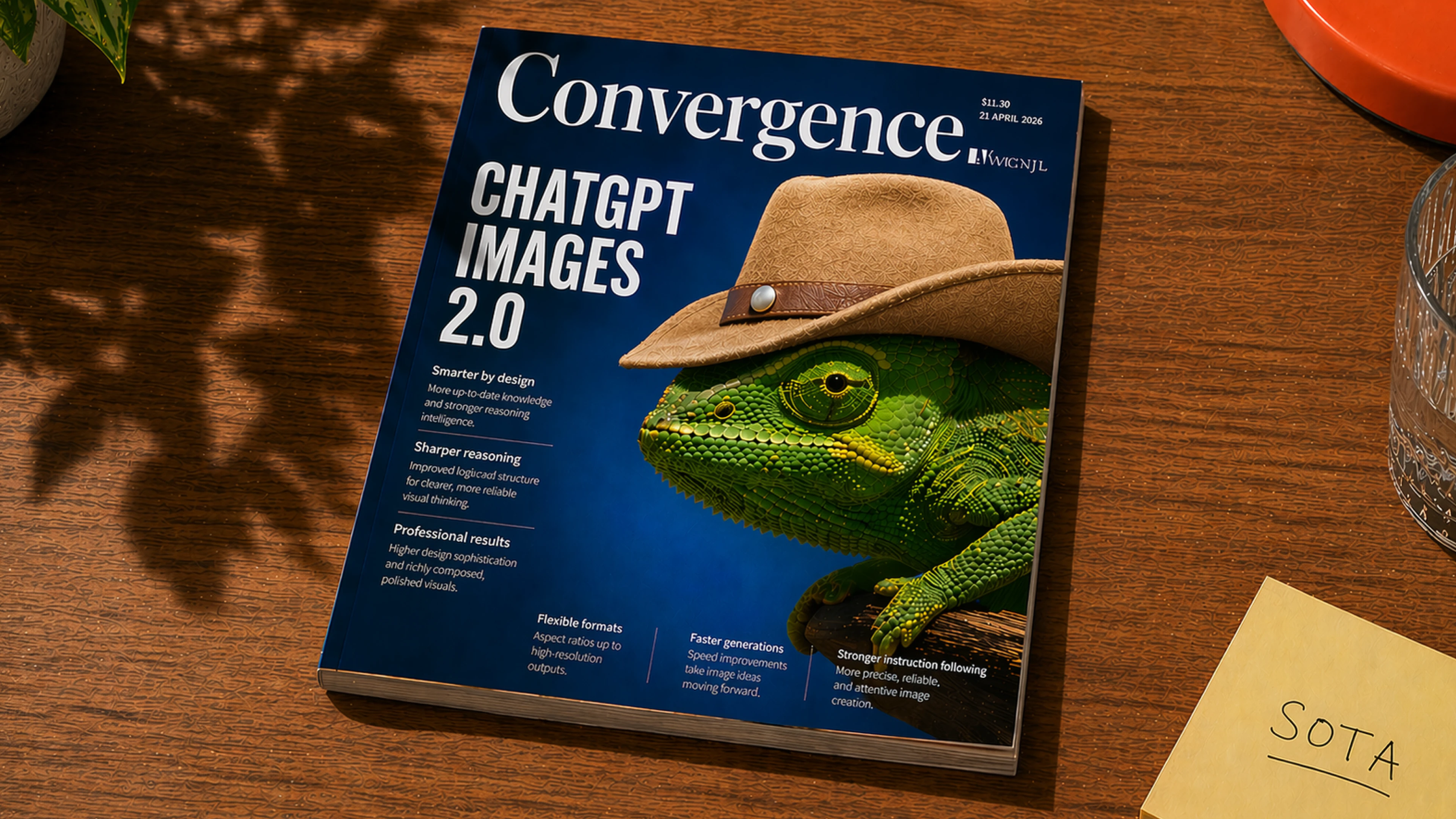
3) ChatGPT Images 2.0 raises the bar for concept visual quality in AI video commercials
What changed this week: OpenAI’s release notes on April 21 announced Images 2.0 in ChatGPT, plus an Images “thinking” mode for paid plans.
Why it matters commercially: Better composition, text fidelity and ideation quality means faster pre-production loops for AI filmmaking teams building moodframes, product boards, and ad route options.
Apply now: Insert an “Images 2.0 concept sprint” before storyboarding: generate three creative territories, then route only the top performer into animatic and production.
Source: ChatGPT release notes (Apr 21, 2026) →
4) AI agents for marketing are now a practical operating layer, not a pilot slide
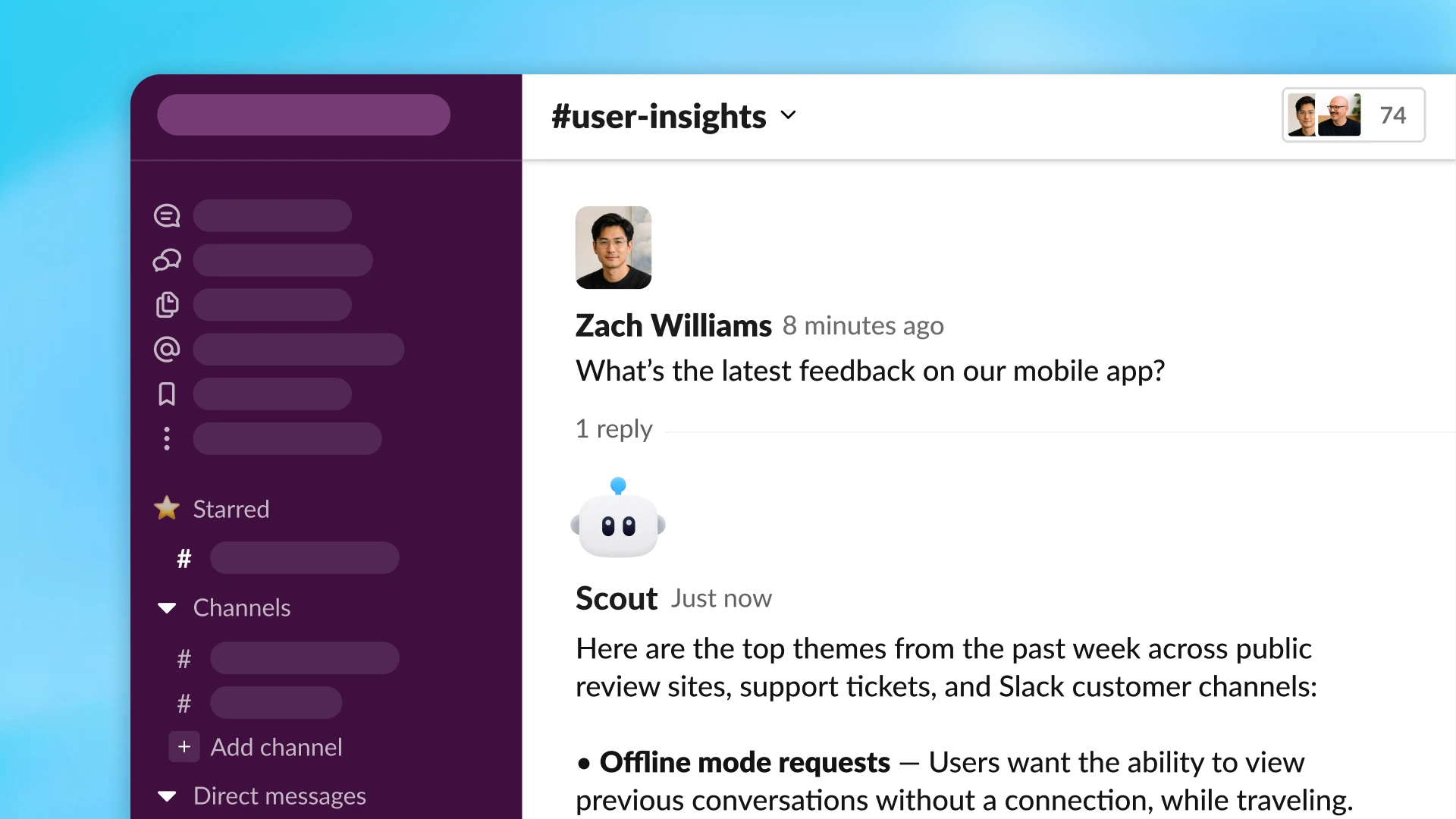
What changed this week: OpenAI introduced workspace agents (Apr 22), including shared templates for lead outreach, weekly reporting, product feedback routing, and risk workflows, with credit pricing beginning May 6, 2026.
Why it matters commercially: AI agents for marketing can now own recurring coordination work that slows down campaign cycles in every AI advertising agency environment.
Apply now: Deploy one Friday reporting agent first. Force it to pull channel metrics, draft narrative, and output actions by 9am weekly. This creates immediate process lift with low risk.
Source: OpenAI workspace agents in ChatGPT (Apr 22, 2026) →
5) Distribution shifts: YouTube creator partnerships + Demand Gen speed are now one system
What changed this week: Google’s Ads & Commerce posts on April 23 emphasized creator partnerships inside Google Ads plus Demand Gen updates that push conversion speed on YouTube; Google cites Demand Gen as driving an 18% higher share of new-customer conversions vs paid media average.
Why it matters commercially: For AI commercial production teams, winning now depends on pairing creative velocity with creator-native distribution, not treating production and media as separate tracks.
Apply now: Build one “creator + paid” launch protocol: ship 3 creator-led variants, feed watch/engagement data into paid creative refreshes within 72 hours, and scale the top narrative angle.

Source: Google Ads creator partnerships post (Apr 23, 2026) →
Source: Google Demand Gen Drop (Apr 23, 2026) →
We build practical stacks for AI commercial production, AI filmmaking, AI ad creation, and deployment systems that ship quickly without sacrificing craft.
Sources
- Adobe: video + Firefly creation updates (Apr 15, 2026)
- Adobe: Brand Intelligence and GenStudio expansion (Apr 20, 2026)
- OpenAI Help: ChatGPT release notes (Apr 21, 2026)
- OpenAI: Introducing workspace agents in ChatGPT (Apr 22, 2026)
- Google Ads: Creator partnerships playbook (Apr 23, 2026)
- Google Ads: April Demand Gen Drop (Apr 23, 2026)
- OpenAI: Testing ads in ChatGPT (updated Mar 26, 2026; rollout expansion noted in Apr updates)