1) Runway and Lionsgate turn AI video from tool access into studio IP development
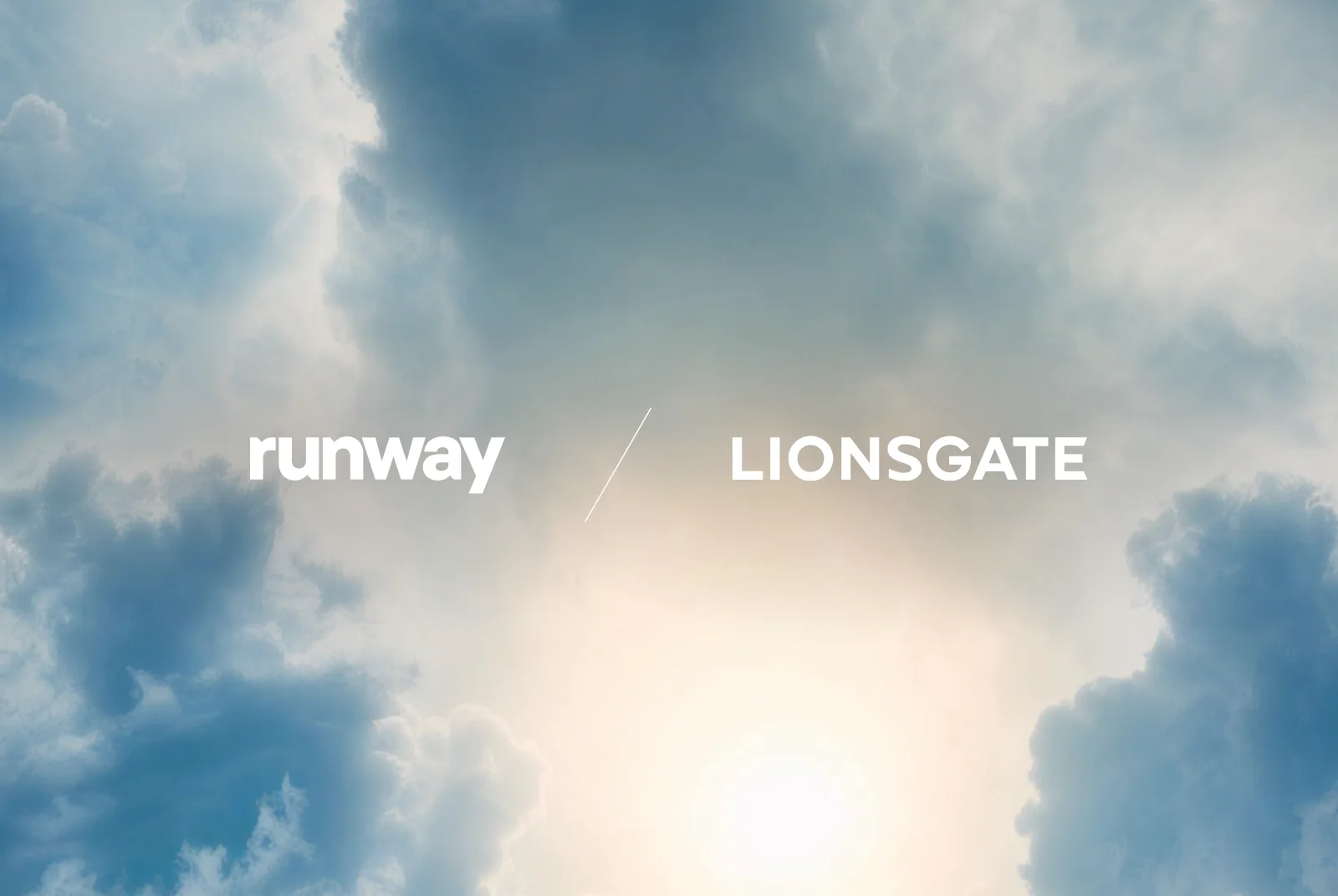
Dated evidence: Runway announced on June 11, 2026 that Lionsgate has taken an equity interest in Runway and that the companies will launch a joint development program to develop and produce new IP. The first planned output is a short-form episodic series drawing on existing Lionsgate IP and Runway’s generative models. Runway also says Lionsgate will serve as a presenting partner at the Runway AI Festival in June. TheWrap independently reported the same day that the companies did not disclose which franchises will be used or a release timetable.
Why it matters for AI film and advertising: this is the week’s strongest evidence that AI video is moving from departmental experimentation into rights-controlled production infrastructure. For agencies, entertainment marketers, and brand studios, the useful takeaway is not “make a cheaper film.” It is that generated video now needs the same pipeline discipline as franchise marketing: IP permission, talent position, model provenance, audience disclosure, edit supervision, and distribution context.
Workflow dependency map: franchise rights, approved character bible, prompt and reference policy, model access, human creative lead, union/talent review, platform disclosure, legal signoff, and audience testing.
Production impact estimate: short-form episodic work gives studios a lower-risk test bed than theatrical or prestige TV. Expect the first operational value in previz, campaign extensions, social-first IP tests, and limited series concepts where audience response can validate the creative before larger spend.
Decision now: if your brand has mascots, characters, archive footage, or campaign worlds, build an AI-use permissions matrix before any video test. The matrix should separate internal ideation, pitch material, paid social, owned social, broadcast, and licensing.

Source: Runway, Runway and Lionsgate Expand Partnership (June 11, 2026) →
Independent source: TheWrap, Lionsgate takes equity stake in Runway (June 11, 2026) →
2) Apple brings photoreal image generation and AI photo editing closer to everyday campaign capture
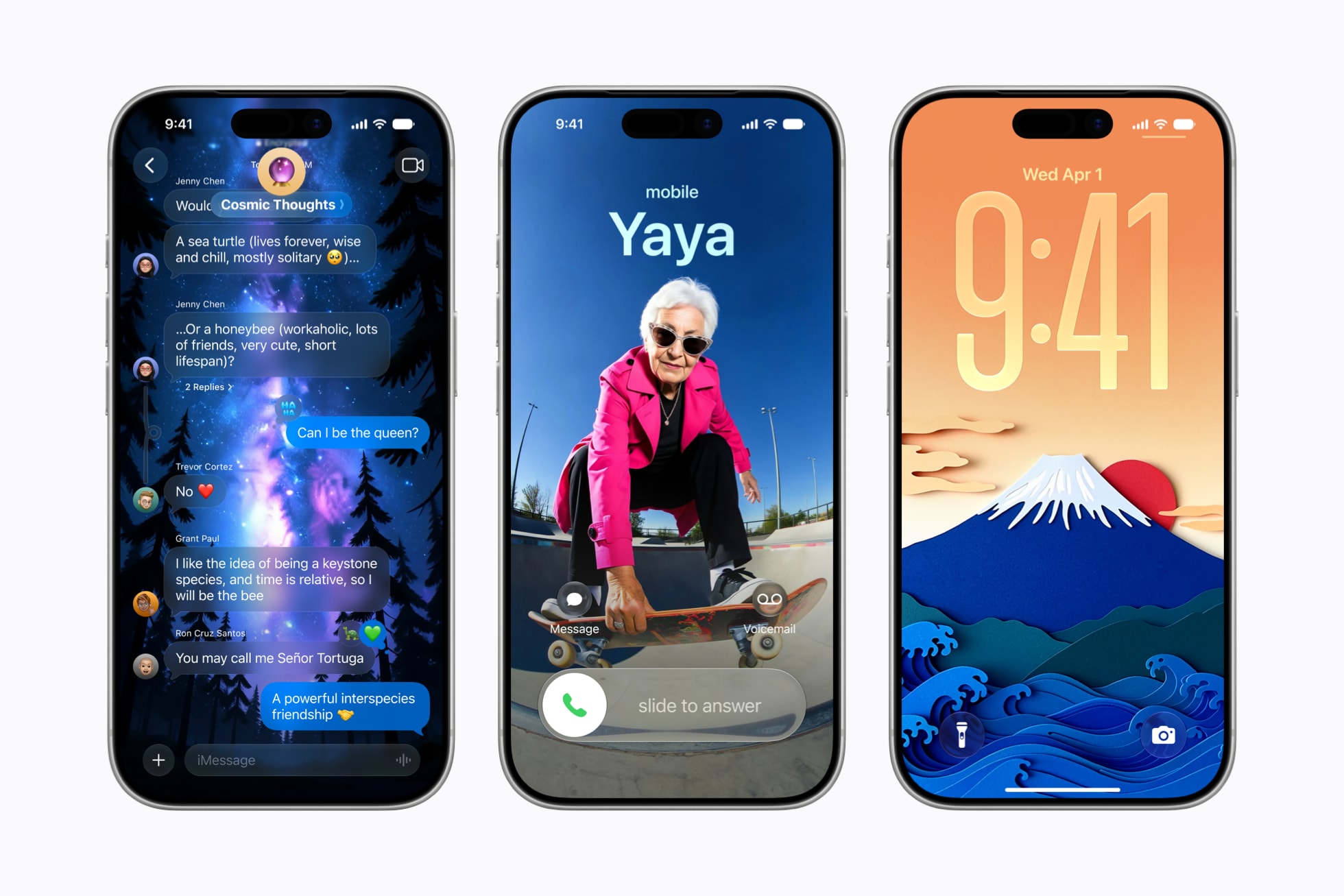
Dated evidence: Apple announced the next generation of Apple Intelligence on June 8, 2026. The company says the Photos app will use more powerful image models for editing, Spatial Reframing will let users shift photo composition after capture, and adjusted photos will automatically include a hidden SynthID watermark identifying AI edits. Apple also says Image Playground will create photorealistic imagery, and that some image-generation features have daily usage limits because they rely on powerful server models.
Why it matters for advertising image workflows: mobile-first AI editing changes what enters the creative pipeline. More campaign images will arrive already expanded, reframed, cleaned, or synthesized before the studio sees the source file. That is useful for fast creator content and UGC-style ads, but it makes authenticity, retouching disclosure, and asset lineage harder to audit unless metadata is captured at intake.
Workflow dependency map: original capture, AI edit history, watermark status, model/source device, usage limit, talent release, product accuracy check, retoucher handoff, and platform claim review.
Production impact estimate: the biggest near-term gain is not replacing professional retouching. It is faster first-pass composition fixes for social, pitch decks, thumbnails, background plates, creator briefs, and internal treatments. The risk is invisible drift: small generated fixes can change product shape, legal claims, or talent likeness.
Decision now: add a “source vs edited” requirement to image intake. Store the original capture, the edited export, and a short note on what was generated before using the asset in paid media.
Source: Apple Newsroom, Apple Intelligence brings powerful AI capabilities into everyday experiences (June 8, 2026) →
Independent context: The Verge, Apple AI photo editing and authenticity concerns (June 2026) →
3) Gemini 3.5 Live Translate makes real-time spoken localization an API workflow
Dated evidence: Google DeepMind published Gemini 3.5 Live Translate on June 9, 2026. Google says the model automatically detects 70+ languages, generates translated speech continuously rather than waiting for a speaker to finish, preserves intonation, pacing, and pitch, and is rolling out through Google AI Studio, the Gemini Live API, Google Meet private preview, and Google Translate. Google also says Grab is testing it for multilingual communication in a product where users make more than 10 million voice calls per month.
Why it matters for AI sound generation and advertising: localization is becoming live infrastructure, not just a post-production step. For film marketing, live commerce, brand events, customer interviews, creator streams, and multilingual campaign testing, the audio pipeline can now generate translated speech while the conversation is happening. That creates faster research and distribution, but it also raises voice consistency, consent, and review issues.
Workflow dependency map: source audio consent, target languages, speaker identity rules, latency tolerance, transcript capture, translation review, watermark/disclosure policy, and whether output can be recorded or repurposed.
Production impact estimate: this is most useful before final master delivery: live client reviews, international test screenings, customer interviews, remote production calls, and creator collaborations. Final ad dubs still need approval, pronunciation checks, emotional performance review, and market-specific legal review.
Decision now: test live translation on internal reviews before using it with talent, customers, or audiences. Score latency, emotional fidelity, pronunciation, speaker drift, transcript accuracy, and whether consent language is clear enough.

Source: Google DeepMind, Fluid, natural voice translation with Gemini 3.5 Live Translate (June 9, 2026) →
Source: Google DeepMind model card, Gemini 3.5 Audio (published June 2026) →
4) ElevenLabs and MACRO point to audio infrastructure as early-stage story development
Dated evidence: ElevenLabs updated its MACRO and a16z Cultural Leadership Fund partnership post on June 11, 2026. The Epigraph fellowship is an eight-week program supporting seven professional storytellers. ElevenLabs says fellows will use Voice Design, Voice Cloning, Studio, Dubbing Studio, and Eleven Music across development, including generating character voices before casting, producing full audio drafts, dubbing across 32 languages, and scoring shorts with text-prompted music. The company states Eleven Music is cleared for commercial use across film, television, podcasts, and advertising on Enterprise plans.
Why it matters for production teams: the post is not a pure model launch, but it is a useful signal about where sound generation is being embedded: the earliest script and development phase. Audio drafts can expose pacing problems, character voice issues, localization constraints, and score direction before a shoot or animation build begins.
Workflow dependency map: script draft, character voice brief, actor/talent constraints, clone permissions, language plan, score references, commercial-use plan, and whether generated audio is internal-only or campaign-facing.
Production impact estimate: a five-minute dialogue scene can be evaluated as audio before casting or shooting, which is especially valuable for branded films, documentaries, explainers, and pitch treatments. The risk is false confidence: a generated read can make a weak scene feel more finished than it is.
Decision now: use generated audio drafts as a diagnostic layer, not the final creative authority. Keep human notes on story clarity, performance, rights, and cultural specificity beside every generated voice or score test.
Source: ElevenLabs, partnership with MACRO and a16z CLF (published May 1; updated June 11, 2026) →
5) Suno’s funding keeps the music-generation rights race in the ad-production conversation
Dated evidence: Suno announced on June 3, 2026 that it raised more than $400 million in Series D funding at a $5.4 billion post-money valuation. Suno says the funding will help it expand what is possible for artists and creators, and that in coming months it will roll out its first music model developed in partnership with the music industry. TechCrunch covered the raise the same day and emphasized the still-active copyright lawsuit context.
Why it matters for advertising sound: AI music is not just a quality race; it is a clearance race. For branded content, jingles, product films, creator edits, games, and social ads, music generation becomes useful only when the agency can explain what rights exist, who was compensated, which model was used, and where the output can run.
Workflow dependency map: prompt, source references, model rights position, paid/free account terms, download rights, media territory, talent or artist likeness, cue sheet, and final usage window.
Production impact estimate: music generation can compress first-pass exploration dramatically, especially for mood tests and scratch tracks. It should not bypass final music supervision on paid campaigns until the legal model, platform terms, and cue documentation are fully understood.
Decision now: separate scratch music from deployable music in every project folder. Give generated tracks a rights status before editors can place them into client-facing cuts.
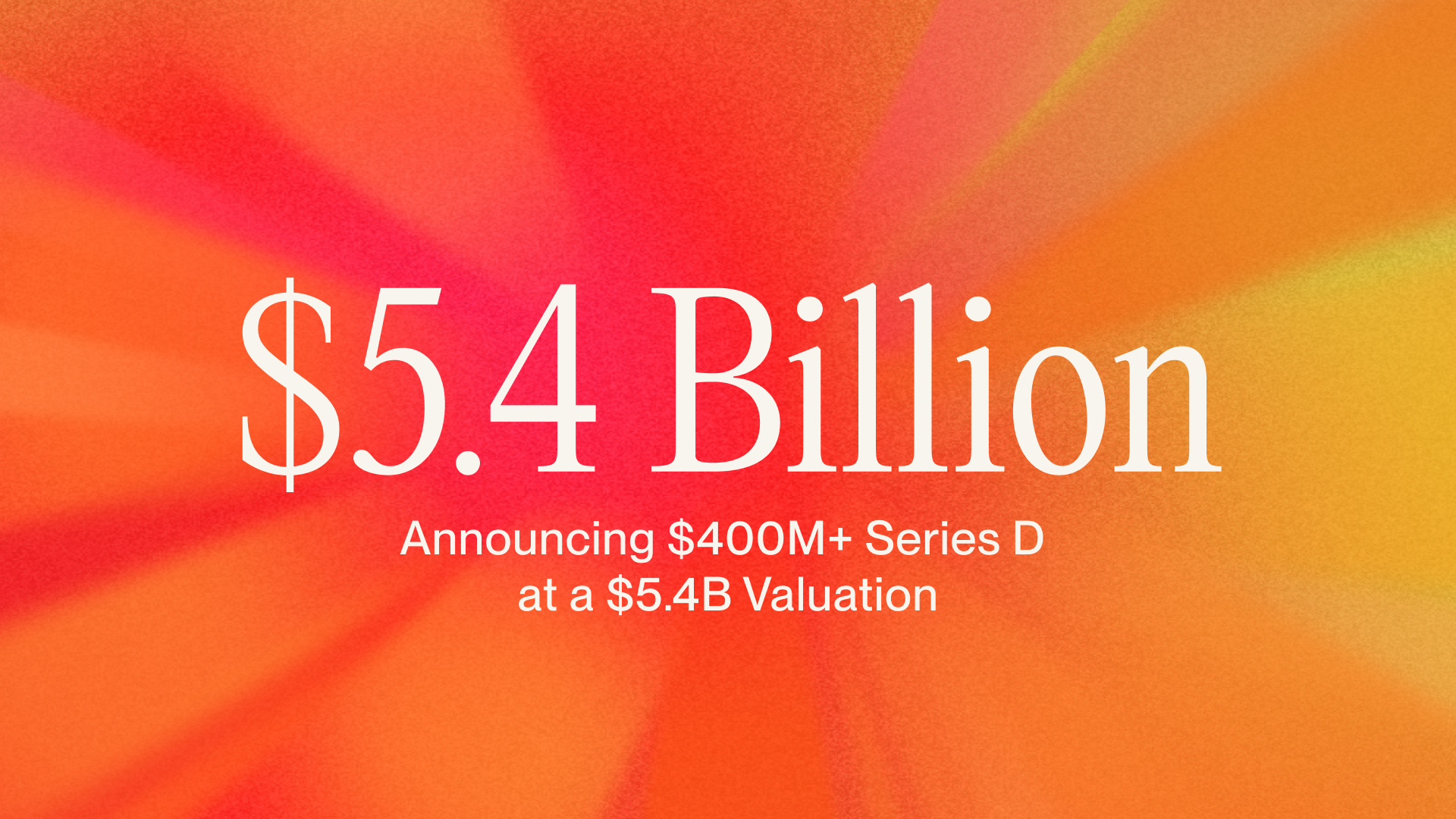
Source: Suno, The Next Chapter for Suno (June 3, 2026) →
Independent source: TechCrunch, Suno raises another $400M (June 3, 2026) →
Risk to live campaigns this week
| Workflow area | Primary dependency | Brand/legal risk | Delivery impact |
|---|---|---|---|
| Studio IP video | Rights matrix, character rules, talent position, model provenance | High: franchise and likeness governance must precede output | High for previz, social IP tests, and campaign extensions |
| AI image editing | Original files, edit history, watermark and metadata capture | Medium-high: small edits can alter claims or likeness | Medium for creator content, pitch visuals, and social variants |
| Live translated audio | Consent, language QA, transcript review, disclosure policy | Medium-high: speaker identity and meaning can drift | High for reviews, interviews, events, and localization tests |
| Generated music | Model terms, commercial-use scope, cue documentation | High: rights ambiguity can block campaign deployment | Medium-high for mood exploration and scratch-score speed |
Operator checklist for next sprint
- Video: write an IP and talent-use matrix before generating franchise, mascot, or character-led tests.
- Image: require original captures and AI-edited exports for any asset entering paid media.
- Audio: test live translation internally before exposing it to clients, talent, or customers.
- Music: label every generated track as scratch, review, or deployable before it enters an edit.
We can map AI image, video, sound, and ad-platform changes to your campaign workflow, then turn the useful ones into a sprint-ready production plan.
Sources
- Runway: Runway and Lionsgate Expand Partnership (June 11, 2026)
- TheWrap: Lionsgate Takes Equity Stake in Runway (June 11, 2026)
- Apple Newsroom: Apple Intelligence brings powerful AI capabilities into everyday experiences (June 8, 2026)
- The Verge: Apple AI photo editing and authenticity concerns (June 2026)
- Google DeepMind: Fluid, natural voice translation with Gemini 3.5 Live Translate (June 9, 2026)
- Google DeepMind: Gemini 3.5 Audio model card (published June 2026)
- ElevenLabs: MACRO and a16z CLF storytelling partnership (published May 1; updated June 11, 2026)
- Suno: The Next Chapter for Suno (June 3, 2026)
- TechCrunch: Suno raises another $400M (June 3, 2026)