1) xAI puts Grok Imagine 1.5 into the API, raising the image-to-video control test
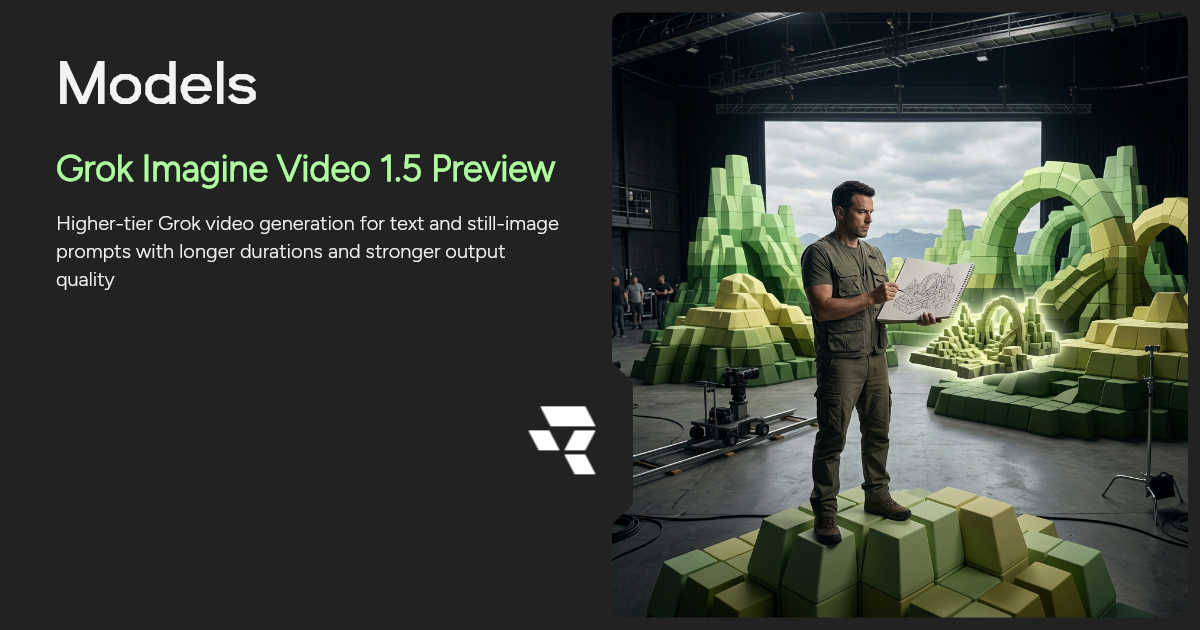
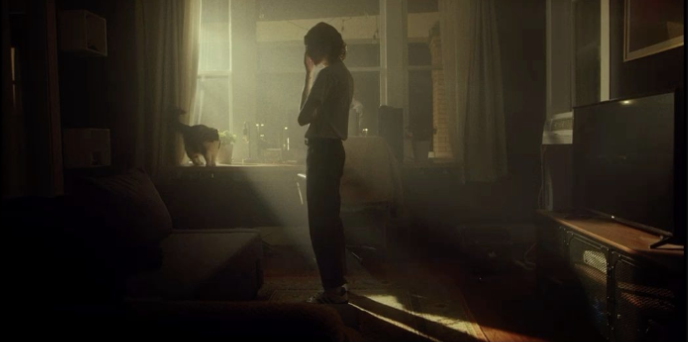
Dated evidence: xAI published “Grok Imagine 1.5 Preview” on June 3, 2026. The company says grok-imagine-video-1.5-preview is available through the xAI API, turns a still image into cinematic video, supports prompts for camera movement, pacing, atmosphere, physics, and sound design, and can generate clips up to 720p. xAI’s model documentation lists text and image inputs, a May 30, 2026 alias, 60 requests per minute, $0.01 image input pricing, and video pricing at $0.08 per second for 480p or $0.14 per second for 720p.
Why it matters for AI film and advertising: image-to-video is becoming an API production primitive rather than only an app feature. For campaign teams, the practical question is whether approved stills, pack shots, storyboard frames, and product renders can become short motion tests without losing brand texture or introducing unplanned edits.
Workflow dependency map: approved still, prompt grammar, camera intent, duration, resolution, sound-design intent, usage policy, cost ceiling, and review notes for motion drift.
Production impact estimate: at the published API price, a 10-second 720p test is about $1.40 in video-generation cost before image input, retries, edit time, and storage. That makes systematic A/B motion testing affordable, but also makes weak prompting and uncontrolled reruns easier to hide inside production overhead.
Decision now: build a controlled test set: one product still, one lifestyle still, one character frame, and one logo end-card. Score each output on source-image fidelity, camera control, sound usefulness, and whether the shot can be cut into a real ad.
Source: xAI, Grok Imagine 1.5 Preview (June 3, 2026) →
Source: xAI model docs, Grok Imagine Video 1.5 Preview pricing and limits →
2) Runway joins NVIDIA’s Cosmos Coalition, pushing video generation toward world-model infrastructure
Dated evidence: Runway announced on June 1, 2026 that it is a founding member of the Cosmos Coalition with NVIDIA and other AI labs. Runway says the first project will be a base model co-developed by Runway and NVIDIA. NVIDIA’s June 1 press materials say Cosmos 3 combines vision reasoning, world generation, and action prediction, and that the coalition includes Runway, Black Forest Labs, LTX, Skild AI, Generalist, and Agile Robots.
Why it matters for AI filmmaking: film and advertising teams should read this as an infrastructure signal, not a one-click production update. Better world models can improve continuity, physical plausibility, camera movement, object behavior, and previsualization reliability. That matters when generated shots need to survive an edit, not just look impressive as isolated clips.
Workflow dependency map: scene physics, continuity targets, reference footage, camera language, world-state notes, shot sequencing, model provenance, and disclosure strategy.
Production impact estimate: the near-term gain is likely in previs, simulation, and shot planning rather than finished ad delivery. The operational upside is fewer dead-end generations when scenes require physical consistency across action, lighting, and camera movement.
Decision now: when evaluating AI video models, add a world-state test: can the system preserve object position, implied force, camera logic, and action continuity across a multi-shot storyboard?
Source: Runway, Introducing the Cosmos Coalition (June 1, 2026) →
Source: NVIDIA, Cosmos 3 and Cosmos Coalition announcement (June 1, 2026) →
3) Meta expands AI ad transparency, making generated creative easier to inspect after launch
Dated evidence: Meta updated its ads transparency post on June 1, 2026. The company says it is beginning to roll out “About this ad” as a unified destination in the three-dot menu on every ad. Meta says the panel will include AI info labels for ads created or significantly edited with Meta’s generative AI tools, and that it will begin automatically detecting ads created or edited with third-party AI tools through industry-standard signals.
Why it matters for advertising teams: AI creative disclosure is moving from a policy footnote into the live ad experience. For brands using generated images, video, text, music, or avatars, the production handoff now needs metadata: what changed, which tool changed it, whether a photorealistic human appears, and whether the platform may label the ad for viewers.
Workflow dependency map: source assets, generation tool, edit significance, human-likeness review, campaign category, platform labeling rules, legal approval, and media QA screenshots after launch.
Production impact estimate: this does not slow production if metadata is captured at briefing and export. It does create expensive cleanup if the media team only discovers labels, automated enhancements, or disclosure mismatches after client approval.
Decision now: add one AI-media row to every paid-social trafficking sheet: tool used, asset type, generated elements, human likeness, rights status, and expected disclosure behavior.
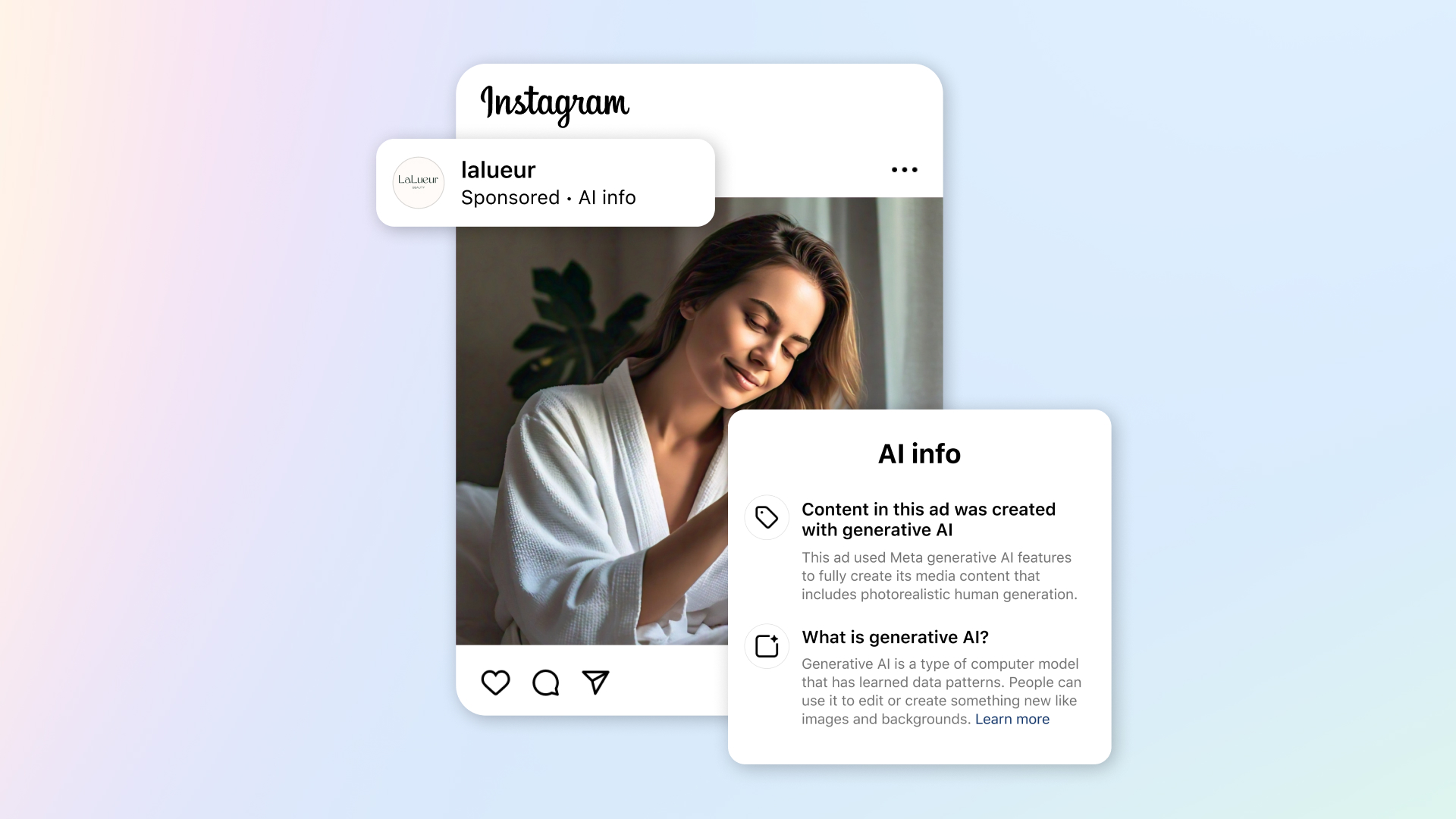
Source: Meta, Expanding GenAI Transparency for Meta’s Ads Products (updated June 1, 2026) →
4) Hasbro and ElevenLabs turn character voices into licensed campaign infrastructure
Dated evidence: Hasbro announced Sixth Wall on June 3, 2026, describing it as a new AI studio for authorized character experiences. Hasbro says Behavioral Licensing is designed to govern how characters think, speak, and interact, powered by CharacterOS, with a talent participation model that compensates performers and uses authorized recordings. ElevenLabs published its Hasbro partnership the same day and says developers and enterprises can request licensed character voices including Megatron, Starscream, Grimlock, Cobra Commander, Mr. Potato Head, and Clue characters, with Optimus Prime and others coming soon. Axios independently reported on June 3 that Hasbro is pursuing a business-to-business strategy and setting up Sixth Wall to handle licensing.
Why it matters for sound generation and advertising: the important shift is from voice cloning as a tool to voice rights as a product surface. For agencies and entertainment brands, character audio now needs the same governance as image likeness, logo use, music rights, and talent contracts.
Workflow dependency map: IP owner approval, voice actor participation, character canon, usage window, audience age, safety guardrails, script review, localization rules, and final campaign rights.
Production impact estimate: licensed voices can shorten prototype cycles for interactive ads, games, retail experiences, and themed campaign content. They do not remove approval work; they move it earlier into a licensing and behavior-specification layer.
Decision now: treat any AI voice in a branded campaign as a rights-bearing asset. Log consent, scope, territory, duration, character constraints, and whether the voice can be used in paid media, customer service, retail, or entertainment placements.
.webp)
Source: Hasbro, Sixth Wall and Behavioral Licensing announcement (June 3, 2026) →
Source: ElevenLabs, Hasbro x ElevenLabs (June 3, 2026; updated June 5, 2026) →
Independent source: Axios, Hasbro to license AI versions of characters (June 3, 2026) →
Risk to live campaigns this week
| Workflow area | Primary dependency | Brand/legal risk | Delivery impact |
|---|---|---|---|
| Image-to-video APIs | Approved stills, prompt control, cost limits, review scoring | Moderate-high: source drift and unsafe motion can scale quietly | High for motion tests, social cutdowns, and storyboard animation |
| World-model video infrastructure | Scene physics, continuity notes, model provenance | Moderate: plausible simulation can look more certain than it is | Medium for previs, simulation, and multi-shot planning |
| AI ad transparency | Generation metadata, label expectations, launch QA | High: disclosure mismatch can become visible to viewers | Medium: more admin, less rework when logged early |
| Licensed AI voices | IP owner approval, performer participation, usage scope | High: character voice is a rights-bearing brand asset | Medium-high for interactive ads and entertainment activations |
Operator checklist for next sprint
- Video: run a four-asset image-to-video benchmark before adopting a new API model.
- Film: add continuity and physics checks to every AI previs or multi-shot test.
- Media: record AI generation metadata before paid-social trafficking starts.
- Sound: treat licensed character voices as IP assets, not just audio files.
We can map AI image, video, sound, and ad-platform changes to your campaign workflow, then turn the useful ones into a sprint-ready production plan.
Sources
- xAI: Grok Imagine 1.5 Preview (June 3, 2026)
- xAI Docs: Grok Imagine Video 1.5 Preview pricing and limits
- Runway: Introducing the Cosmos Coalition (June 1, 2026)
- NVIDIA: Cosmos 3 and Cosmos Coalition announcement (June 1, 2026)
- Meta: Expanding GenAI Transparency for Meta’s Ads Products (updated June 1, 2026)
- Hasbro: Sixth Wall and Behavioral Licensing announcement (June 3, 2026)
- ElevenLabs: Hasbro x ElevenLabs: Iconic IP Joins the Voice Library (June 3, 2026; updated June 5, 2026)
- Axios: Hasbro to license AI versions of Mr. Potato Head and other characters (June 3, 2026)